
PM e-DRIVE Scheme: A Bold Step for India's EV Surge
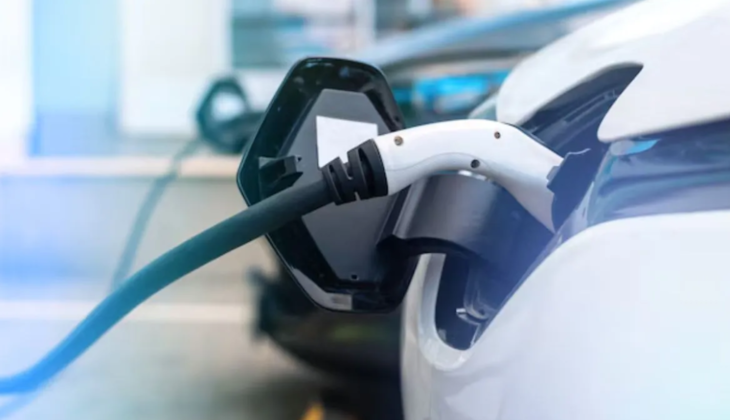
The Indian government has announced a revolutionary scheme aimed at boosting the adoption of electric vehicles (EVs) pan-India. The PM Electric Drive Revolution in Innovative Vehicle Enhancement, or PM e-DRIVE, scheme came into effect on October 1, 2024. It marks a crucial step taken by India for the nation to transition toward a cleaner and more sustainable transportation system. This scheme comes at a crucial time as electric vehicle sales in India already crossed 6,09,250 units till October 30, 2024, indicating great interest from consumers towards electric mobility.
What Is the PM e-DRIVE Scheme?
The PM e-DRIVE plan aims to ramp up EV manufacturing, invest in infrastructure, and encourage electric vehicle sales in India. The scheme will majorly support E-2W, E-3W, and electric buses and not provide a place for electric cars. The investment of the scheme stands at Rs 10,900 crore for two years. Targeted subsidies are included to increase local production and sales.
Key Highlights of the PM e-DRIVE Scheme
Financial Incentives: The scheme offers incentives in the form of financial incentives for up to 25 lakh electric two-wheelers, 3 lakh electric three-wheelers, and 1,400 electric buses.
Subsidy for EV Two-Wheelers: A subsidy of Rs 10,000 per vehicle for E-2W (electric two-wheelers) will be given until FY 2025. The subsidy will be cut to Rs 5,000 until FY 2026.
Subsidies for EV Three-Wheelers: The subsidies for electric three-wheelers such as e-rickshaws and e-carts will be Rs 25,000 in FY 2025, which will reduce to half in FY 2026.
Funding Break-up: The Rs 10,900 crore investment will include Rs 1,064 crore for E-2W, Rs 511 crore for E-3W subsidies, and more funds for electric buses.
Impact on EV Infrastructure and Adoption
This scheme is to be taken up for the increasing demand of EV infrastructure in India and providing more affordable options to the consumers for a shift towards electric mobility. It is also going to significantly reduce carbon emissions, as per the long-term goal of India, to achieve net-zero emissions by 2070. By promoting domestic EV manufacturing, this scheme will contribute to the development of the Indian EV supply chain.
A Historical Push for EV Adoption
The PM e-DRIVE scheme marks a significant milestone in the Indian government's efforts to promote electric vehicles. This is the third such initiative following the Faster Adoption and Manufacturing of Hybrid and Electric Vehicles (FAME) scheme, which was launched in 2015, and its extension, FAME II.
The government is hopeful that the PM e-DRIVE scheme will make India a global leader in electric mobility, bringing clean and green alternatives to conventional fossil-fuel-based transportation.
As India strives for a sustainable future, the PM e-DRIVE scheme has provided the golden opportunity for achieving rapid adoption of electric vehicles across the country. The e-DRIVE scheme is part of a long-term strategy for a net-zero emissions economy for the country in the next few decades while reducing carbon footprint.
Also Read: Indiana Jones and the Great Circle: System Requirements for PC
