
Air Quality Deteriorates Significantly in Bengaluru, Mangalore, Mysore: Study Reveals Rising Dangerous Particles
Once known for their pleasant climate and relatively clean air, these cities are now grappling with increasing levels of dangerous particulate matter in the atmosphere.
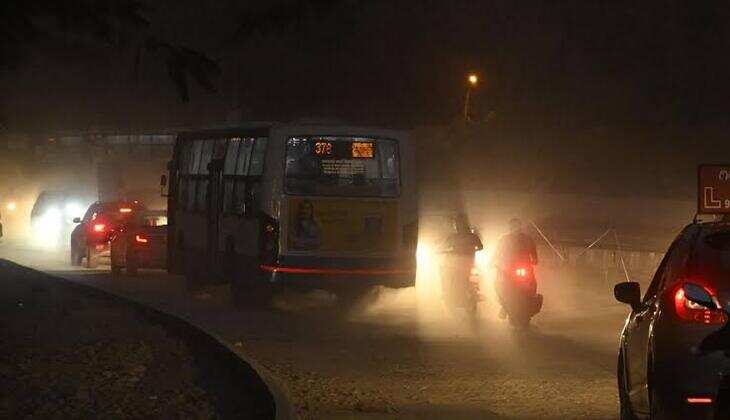
Bengaluru, September 7: An alarming study by Greenpeace India has revealed a significant decline in air quality across three major cities in Karnataka—Bengaluru, Mangalore, and Mysore. Once known for their pleasant climate and relatively clean air, these cities are now grappling with increasing levels of dangerous particulate matter in the atmosphere.
Rising Pollution in South Indian Cities
The study analyzed air quality in ten major South Indian cities, including Hyderabad, Chennai, Visakhapatnam, Kochi, Amaravati, and Vijayawada. The findings highlight a concerning rise in PM2.5 and PM10 levels—key indicators of air pollution that measure dust and harmful particles in the air. These levels have now surpassed the guidelines set by the World Health Organization (WHO), raising serious health concerns.
Karnataka’s Key Cities Facing Pollution Crisis
In Bengaluru, Mangalore, and Mysore, the PM10 levels are 4 to 5 times higher than WHO guidelines, according to the report titled "Spare the Air-2." While other cities like Visakhapatnam have recorded even more alarming pollution levels—up to 10 times the recommended limit—Karnataka’s cities are still facing a troubling rise.
Public Health at Risk
Aakanksha Singh, a researcher quoted in The New Indian Express, emphasized the urgent need for clean air. "The study shows that all major cities in southern states exceed WHO’s updated air quality standards," she noted.
The report dispels the notion that southern states have better air quality compared to their northern counterparts. Greenpeace India campaign manager Avinash Chanchal added that none of the major cities in the southern region meet WHO’s air safety guidelines.
