
Karnataka Minister H.C. Mahadevappa Announces Embrace of Buddhism, Criticizes Caste System in Hinduism!
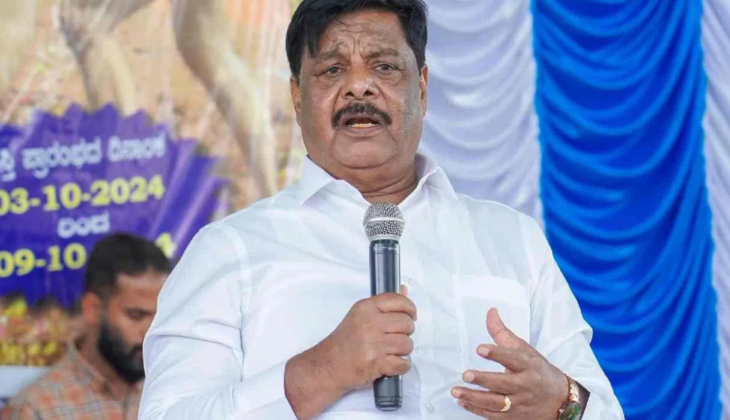
Bengaluru, October 14: In a bold and unprecedented move, Karnataka's Social Welfare Minister Dr. H.C. Mahadevappa has publicly declared his intention to convert to Buddhism. This announcement coincides with the celebration of Dharma Chakra Day, a significant occasion for many Buddhists, where he took to social media to express his frustrations with the caste system prevalent in Hinduism.
ನಾನು ಸ್ವಾತಂತ್ರ್ಯ, ಸಮಾನತೆ ಮತ್ತು ಭ್ರಾತೃತ್ವವನ್ನು ಬೋಧಿಸುವ ಧರ್ಮವನ್ನು ಇಷ್ಟಪಡುತ್ತೇನೆ, ಏಕೆಂದರೆ ವ್ಯಕ್ತಿಯ ಬೆಳವಣಿಗೆಗೆ ಕರುಣೆ, ಸಮಾನತೆ ಮತ್ತು ಸ್ವಾತಂತ್ರ್ಯ ಅತ್ಯಂತ ಮುಖ್ಯ.
— Dr H C Mahadevappa(Buddha Basava Ambedkar Parivar) (@CMahadevappa) October 14, 2024
ಆದರೆ ನನ್ನ ಅನುಭವದಲ್ಲಿ ಜಾತಿ ಶ್ರೇಷ್ಠತೆಯ ರೋಗದಿಂದ ಬಳಲುತ್ತಿರುವ ಹಿಂದೂ ಧರ್ಮವು ಸುಧಾರಣೆ ಆಗುವ ಯಾವ ಲಕ್ಷಣವೂ Star ಕಾಣುತ್ತಿಲ್ಲ. ಹೀಗಾಗಿ ನಾನು… pic.twitter.com/oczHPF6ugr
A Minister's Bold Statement: From Hinduism to Buddhism!
In his heartfelt post on the platform X (formerly Twitter), Mahadevappa expressed his discontent with Hinduism, stating, "The disease of caste superiority is plaguing Hinduism, and there are no signs of reform." He emphasized his preference for a faith that teaches liberty, equality, and fraternity—principles he believes are essential for personal growth and development.
He articulated that the values of compassion, equality, and freedom are vital for individual development. “Unfortunately, my experiences have shown me that Hinduism is suffering from this caste superiority disease and shows no signs of improvement,” he lamented. This transformation reflects his desire to embrace a faith that symbolizes equality and peace, which he sees embodied in Buddhism.
Encouraging Others to Promote Buddhism!
Mahadevappa, who boasts a following of 350,000, extended his heartfelt wishes to everyone on Dharma Chakra Day, urging all to promote Buddhism, which he regards as India's original religion. His message resonated with many, advocating for a more inclusive and egalitarian society.
As this announcement unfolds, it raises questions about the future of religious discourse in the state and how such a prominent political figure's conversion might influence public perceptions of caste and religion.
