
Delhi's Air Quality Continues in 'Severe' Category for Fifth Day: Govt Bans Vehicles to Tackle Pollution
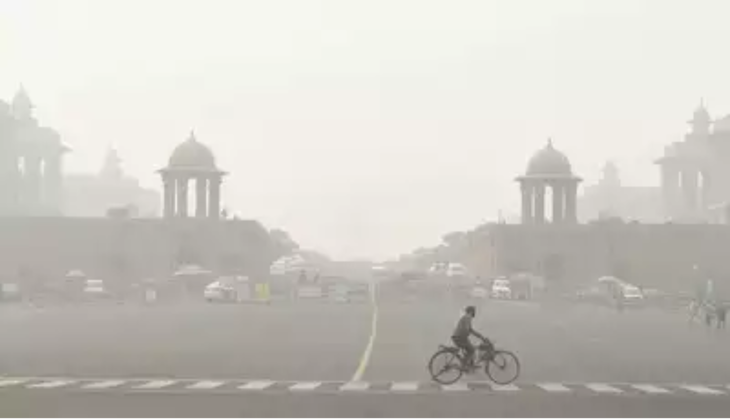
Delhi's air pollution emergency continues to rise as the city's Air Quality Index (AQI) remained in the 'severe' category for the fifth straight day. As of Sunday morning, Delhi's aggregate AQI stood at an alarming 428, Central Pollution Control Board (CPCB) reports. Most key areas in the capital reported AQI values over 400, pointing to hazardous air quality.
Main Pollution Hotspots in Delhi
According to the report, many areas of Delhi are facing severe pollution. For instance, locations including Anand Vihar, Ashok Vihar, and Bawana have seen AQI values of as high as 471. These values show that the air quality is severely within the "severe" range and, therefore, poses a considerable health risk. Other areas like Dwarka, Dilshad Garden, and Rohini also reported critical pollution levels, which made the city's air unsafe for most residents.
Health Risks and Public Impact
The continued smog in Delhi is claiming residents' throats, lungs, and eyes and increasing cases of respiratory problems and eye irritation while heightening risks for cardiovascular diseases. Continued exposure to such hazardous pollution levels, according to health experts, brings serious long-term health effects, causing more harm in people with pre-existing conditions, children, and the elderly.
Government Action: Vehicle Ban and GRAP-III Activation
Finally, the Delhi government has done the right thing in keeping pace with the increasingly critical pollution situation in the city and implemented a blanket prohibition on older vehicles under the Graded Response Action Plan (GRAP-III). These include banning BS-III petrol and BS-IV diesel four-wheelers, among others. This prohibition is valid for Friday and has been indefinite. The amount of fine under the Motor Vehicle Act for violators is Rs 20,000.
The activation of GRAP-III is an integral step through the Delhi strategy in controlling emissions and ensuring that pollution does not deteriorate air quality as the situation progresses.
The Commission for Air Quality Management, CAQM has also ordered the implementation of emergency measures throughout Delhi-NCR to keep the air pollution within limits.
How to Stay Safe?
Experts recommend staying indoors, wearing N95 masks while venturing out, and using purifiers at homes and offices when the air quality worsens. While the government keeps monitoring the situation, it remains to be a crucial task for citizens to stay updated on updates of air quality.
Delhi's critical air pollution crisis emphasizes the imperative for thorough solutions. Since the AQI levels are threatening health in the city seriously, with measures like vehicle bans, GRAP-III, and so on, chances are that hopefully, they would bring down the emissions and get the situation under control. Residents have been advised to take necessary precautions for ensuring their health.
Also read: Howrah Bridge to Close Overnight for First Health Audit in 40 Years