
Export Promotion Schemes: Positioning India’s Exports for Global Leadership Amid Change
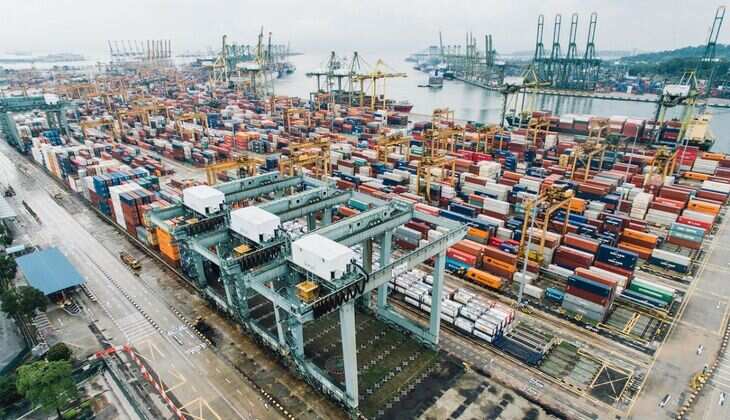
In an era marked by fluctuating global demand and persistent trade disruptions, India’s export sector faces significant challenges. However, rather than viewing these challenges as roadblocks, they can be seen as opportunities for innovation and transformation. The Indian government is stepping up its efforts to bolster the export sector through strategic adjustments to key export promotion schemes. These changes could redefine the landscape of Indian exports, making them more resilient and competitive in the global market.
The Need for Adaptation: Beyond Traditional Schemes
India’s export sector has long relied on schemes like the Remission of Duties and Taxes on Exported Products (RODTEP) and the Interest Equalisation Scheme (IES) to maintain its competitive edge. As these schemes near their expiry dates, there is growing pressure on policymakers to not just extend them, but to also adapt them to the new realities of global trade.
The current global economic environment is one of uncertainty, with slow recovery in demand and ongoing geopolitical tensions. In this context, the government’s role is not just to support exporters but to empower them to navigate these challenges effectively. The discussions between the Ministry of Commerce and the Ministry of Finance in the coming weeks will be critical in shaping the future of India’s export strategy.
Innovation in Export Promotion: Rethinking RODTEP and IES
While the RODTEP and IES schemes have been instrumental in supporting India’s exporters, there is a need to innovate these schemes to ensure they remain effective. RODTEP, introduced in 2021, was a game-changer, replacing the Merchandise Exports from India Scheme (MEIS) to comply with World Trade Organisation (WTO) norms. It refunds embedded taxes that are not creditable through other means, making Indian goods more competitive in international markets.
However, the scheme’s current framework might need a revamp to address the evolving challenges faced by exporters. With an allocation of ₹16,575 crore in the Union Budget for FY25, RODTEP remains a crucial tool. Yet, the effectiveness of this allocation will depend on how well the scheme adapts to the changing dynamics of global trade. For instance, integrating digital solutions to streamline refunds and reduce compliance burdens could be a significant step forward.
Similarly, the IES scheme, which offers interest rate subsidies to exporters, particularly those in the MSME and labor-intensive sectors, must evolve. As India aims to become a global manufacturing hub, extending the IES to cover a broader range of exporters, including those in high-tech and green industries, could position India as a leader in sustainable and advanced manufacturing.
Beyond Budget Allocations: Strategic Reallocation of Resources
One of the most strategic moves under consideration is the reallocation of unused funds from the Rebate of State and Central Levies and Taxes (ROSCTL) scheme, particularly from sectors like textiles. This reallocation could provide much-needed support to other critical schemes like RODTEP. The textiles sector, while still significant, is facing a slowdown, and redirecting funds to more dynamic sectors could boost overall export performance.
This approach reflects a broader need for agility in government policy. As global trade patterns shift, India’s export promotion schemes must be flexible enough to respond to these changes swiftly. The government’s ability to reallocate resources where they are most needed will be key to maintaining India’s competitive edge in the global market.
A Future-Focused Export Strategy
As India looks to the future, the focus must be on building an export strategy that is not just reactive but proactive. This involves anticipating global trends and positioning Indian exporters to capitalize on emerging opportunities. For instance, with the global push towards sustainability, Indian exporters could benefit from incentives tied to green manufacturing and sustainable practices.
Moreover, the government could explore new schemes that specifically support sectors poised for future growth, such as digital services, pharmaceuticals, and renewable energy. These sectors represent the future of global trade, and by aligning export promotion schemes with these industries, India can secure its place as a key player in the international market.
Embracing Change for a Competitive Edge
The future of India’s export sector lies in its ability to adapt and innovate. The current discussions around extending and enhancing export promotion schemes like RODTEP and IES are not just about maintaining the status quo but about positioning India for long-term success in a rapidly changing world. By embracing change and focusing on strategic innovation, India’s export sector can thrive amidst global uncertainty, ensuring sustained growth and competitiveness on the world stage.