
India, Nigeria, and Indonesia Lead Global Crypto Adoption: A Deep Dive into Chainalysis' 2024 Report - Read Now

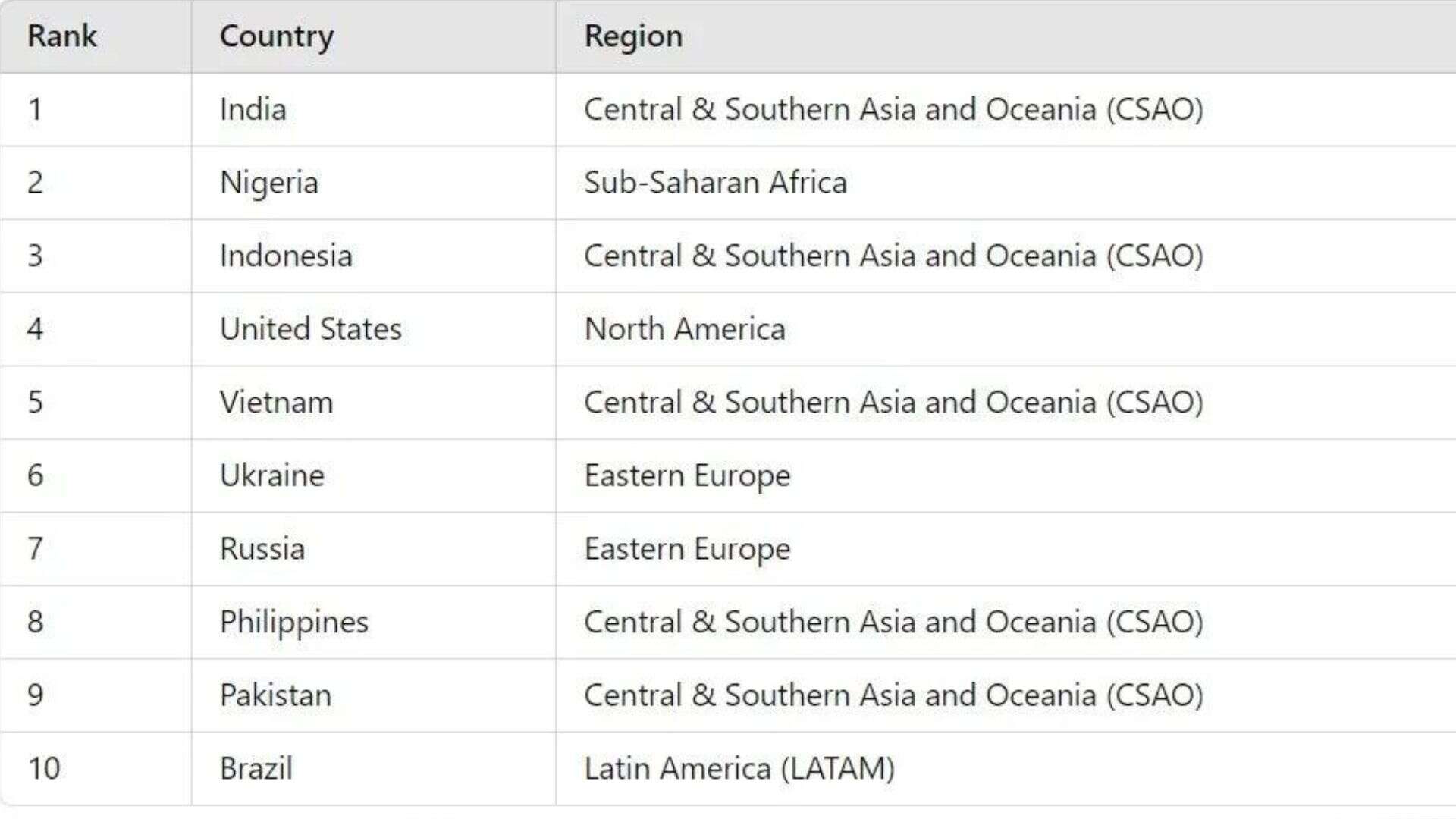
In an era marked by economic volatility and increasing demand for alternative financial systems, cryptocurrency has emerged as a powerful tool for financial empowerment. Chainalysis, a leading blockchain data analytics firm, has just released an excerpt from its highly anticipated 2024 Geography of Cryptocurrency Report, offering deep insights into the global adoption of cryptocurrencies. The report’s centerpiece is its fifth annual Global Crypto Adoption Index, which ranks 151 countries based on grassroots-level cryptocurrency adoption. This year's index highlights an unexpected rise in crypto activity, with countries like India, Nigeria, and Indonesia topping the charts.
What makes the report even more compelling is how it sheds light on the increasingly pivotal role lower-income countries are playing in shaping the future of cryptocurrency. With India emerging as the global leader, this report paints a fascinating picture of how countries across the economic spectrum are embracing digital currencies, with unique trends emerging from regions like Sub-Saharan Africa and Latin America.
A New Crypto Frontier: India, Nigeria, and Indonesia Lead the Charge
According to Chainalysis, India, Nigeria, and Indonesia secured the top three spots in the 2024 Global Crypto Adoption Index. This ranking, based on data from 151 countries, highlights the extent to which everyday users are embracing crypto in these nations. Chainalysis' methodology accounts for key factors such as purchasing power and population size, which give a clearer sense of grassroots adoption, as opposed to purely speculative or institutional investments.
India’s top ranking may come as no surprise given its vast population and rapidly growing tech ecosystem. The country's adoption of cryptocurrency has been fueled by a mixture of factors, including growing distrust in traditional financial systems, high remittance costs, and increasing internet penetration. But it’s the unique use cases—ranging from remittances to decentralized finance (DeFi) protocols—that make India's crypto adoption particularly interesting.
Nigeria, which ranked second, has long been a focal point of crypto innovation in Africa. Despite regulatory hurdles, Nigerians have found ways to leverage cryptocurrencies, particularly Bitcoin, as a means of circumventing traditional financial systems. Whether it’s using stablecoins to protect against inflation or turning to crypto for cross-border payments, Nigerians are finding novel solutions to financial problems through crypto.
Indonesia, the third country on the list, represents another emerging crypto powerhouse in Southeast Asia. With a rapidly digitizing economy, Indonesians have turned to crypto for everything from remittances to investment opportunities, mirroring trends seen in other developing nations.
Defining 2024: Bitcoin ETFs and Stablecoin Usage
A striking finding in this year’s report is the global increase in crypto activity following the launch of the Bitcoin exchange-traded fund (ETF) in the U.S. This development, according to Chainalysis, acted as a catalyst for renewed interest in Bitcoin, boosting transaction volumes and drawing new investors into the crypto ecosystem. The report shows that Bitcoin remains the leading cryptocurrency in terms of transaction volumes, particularly following the ETF’s introduction.
However, Bitcoin isn't the only star of the show. The report highlights a rising trend in stablecoin usage, especially in lower-income countries. Stablecoins, pegged to traditional fiat currencies, have become increasingly popular as a store of value in regions where local currencies are unstable. Sub-Saharan Africa and Latin America are particularly noteworthy in this regard, where citizens are turning to stablecoins to protect their savings from inflation and make secure cross-border transactions.
Chainalysis also points to an evolving DeFi landscape. With a revised approach to measuring DeFi activity in 2024, the report reveals that decentralized finance is continuing to grow, albeit more sustainably. The removal of peer-to-peer (P2P) exchange trade volume from the index reflects a decline in its use, as more users turn to centralized platforms or other decentralized services.
The Unique Role of Lower-Income Countries in Crypto Adoption
One of the most fascinating aspects of this year’s report is how it highlights the significant role that lower-income countries are playing in driving global crypto adoption. For many in these regions, cryptocurrency is not just an investment but a necessity. In countries facing hyperinflation, economic instability, or high remittance fees, digital currencies offer an alternative financial system that is more accessible and reliable than traditional banking.
In Sub-Saharan Africa, for instance, stablecoins have become a preferred method for protecting wealth from inflation and enabling cross-border payments. Latin America, similarly, has seen a sharp rise in crypto adoption, with citizens using stablecoins to navigate volatile local currencies and economic uncertainty.
These trends demonstrate the resilience and adaptability of people in lower-income countries, who are using cryptocurrency to solve real-world problems. While crypto adoption in wealthier nations may be driven more by investment opportunities, in many developing regions, it’s about survival and financial independence.
What’s Next for Global Crypto Adoption?
Chainalysis’ 2024 report paints a promising picture of global cryptocurrency adoption, with activity increasing across countries of all income levels. While countries like India, Nigeria, and Indonesia are leading the charge, the broader global landscape is marked by rising crypto use in both high- and low-income countries alike.
As Bitcoin and stablecoins continue to dominate the market, and as more innovations like Bitcoin ETFs emerge, the coming years are likely to see even more diverse use cases for cryptocurrencies. For now, it’s clear that crypto is no longer just a speculative investment—it’s a lifeline for millions around the world.
This evolving landscape is something investors, regulators, and everyday users alike should keep a close eye on, as the future of finance continues to be shaped by the growing adoption of digital currencies.
