
DMart's Massive Success: Rs 37 Lakh in Daily Sales Per Store, Founded by Radhakishan Damani
DMart, led by Radhakishan Damani, achieves Rs 37 lakh daily sales per store. With 381 locations and a low-cost strategy, DMart leads the Indian retail market, helping Damani amass a USD 17.4 billion net worth.
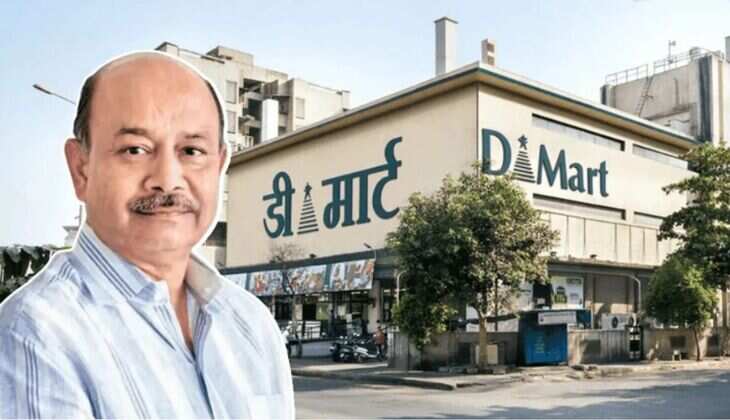
Founded in less than two decades ago by this veteran of stock market Radhakishan Damani, DMart has dominated the Indian retail sector. Selling in the order of a million per day, this company functions with a low-priced model and keeps coming in flocks across the cities. But how has Damani managed to excel in retail and Rs 37 lakh in sales at DMart every day? Let us examine DMart's business model, growth, and the impressive net worth of its founder.
Daily Sales and Growth Numbers of DMart: Powering a Retail Store
Total revenue in fiscal year 2024 for DMart was Rs 49,722 crore. This means Rs 2.7 lakh every hour or Rs 44,262 every 10 minutes for each store operating 14 hours a day. With such sales, DMart has emerged as one of the most sought after shopping destinations for affordable household goods, groceries, and daily necessities. The chain has 381 stores spread across cities like Delhi, Mumbai, Bengaluru, Bhopal, and Indore, catering to millions of customers.
DMart's business model is also available online. Customers can order groceries from the comfort of their homes. This model has worked so well that DMart has made budget-friendly shopping accessible to a wide section of consumers.
The Visionary Founder: Radhakishan Damani's Road to Success
Radhakishan Damani founded DMart in 2002. He saw a huge opportunity in the Indian market. Being an old-fashioned stock market investor, Damani had the most transparent view of all upcoming tendencies. He decided to establish the first DMart shop where affordable goods were going to be sold in an easily accessible venue. His concept of transparency and offering lower prices to the customers made Damani store a one-stop shopping home for all domestic essentials.
Damani's net worth, according to Forbes' real-time billionaires list, currently stands at USD 17.4 billion or around Rs 14,67,25,58,70,000. The valuation speaks for his strategic foresight and the way he has scaled up DMart into one of India's largest retail brands.
DMart's Unique Business Model: The Everyday Low Price (ELP) Advantage
DMart has been successful mainly because of its ELP model. While most retail chains increase prices often because of discounts, this chain has managed to keep the prices low throughout the year by avoiding discounts. Saving on costs DMart saves on costs in two ways: first, it saves on procurement costs by buying directly from the manufacturers and second by locating its stores in the outskirts of the cities, thus saving on rentals and operational costs. This location decision strategy encourages the customer to buy in bulk. That is, they have to come to the store fewer times and thus enhance the per-customer sales.
ELP model is quite popular among Indian customers. This is because the product was able to meet the demand of the Indian market for low-cost and high-quality products. In this respect, it assisted the company to earn higher revenues and profit margins and to strengthen its position as the largest retailer in India.
Revenue and Financial Growth in 2024: A Pivotal Year for DMart
For FY2024, DMart had clocked 22 per cent EBITDA growth as its revenues stood at Rs 49,722 crore against that of FY2023. With this, it had further posted net profit for FY24 at Rs 6,400 crore to clearly evidence that it did good and in a pretty cost-efficient way. Indeed, the expanding footprint added 24 new stores during FY24 to reach out to an important customer base.
This constant growth has positioned DMart as a strong player in the Indian retail market with tremendous potential for growth. Huge growth prospects are further strengthened by high sales per store and good profit margins, supporting the business model and growth strategies adopted by DMart.
Future of DMart: Expansion and Focus on Consumers
With further expansion, DMart focuses on the daily needs of Indian consumers. The retail chain will add more stores in urban and suburban areas with growth potential. Besides, DMart's online presence allows it to cater to consumers who prefer the convenience of shopping from home, reflecting the brand's commitment to adapting to evolving consumer preferences.
DMart is a testament to the visionary plank of Radhakishan Damani. Strong business strategy, effective cost model, and strategic location all come together to give DMart a unique competitive edge in India's extremely competitive retail market and bring in such hefty revenues every day.
Founded in less than two decades ago by this veteran of stock market Radhakishan Damani, DMart has dominated the Indian retail sector. Selling in the order of a million per day, this company functions with a low-priced model and keeps coming in flocks across the cities. But how has Damani managed to excel in retail and Rs 37 lakh in sales at DMart every day? Let us examine DMart's business model, growth, and the impressive net worth of its founder.
Daily Sales and Growth Numbers of DMart: Powering a Retail Store
Total revenue in fiscal year 2024 for DMart was Rs 49,722 crore. This means Rs 2.7 lakh every hour or Rs 44,262 every 10 minutes for each store operating 14 hours a day. With such sales, DMart has emerged as one of the most sought after shopping destinations for affordable household goods, groceries, and daily necessities. The chain has 381 stores spread across cities like Delhi, Mumbai, Bengaluru, Bhopal, and Indore, catering to millions of customers.
DMart's business model is also available online. Customers can order groceries from the comfort of their homes. This model has worked so well that DMart has made budget-friendly shopping accessible to a wide section of consumers.
The Visionary Founder: Radhakishan Damani's Road to Success
Radhakishan Damani founded DMart in 2002. He saw a huge opportunity in the Indian market. Being an old-fashioned stock market investor, Damani had the most transparent view of all upcoming tendencies. He decided to establish the first DMart shop where affordable goods were going to be sold in an easily accessible venue. His concept of transparency and offering lower prices to the customers made Damani store a one-stop shopping home for all domestic essentials.
Damani's net worth, according to Forbes' real-time billionaires list, currently stands at USD 17.4 billion or around Rs 14,67,25,58,70,000. The valuation speaks for his strategic foresight and the way he has scaled up DMart into one of India's largest retail brands.
DMart's Unique Business Model: The Everyday Low Price (ELP) Advantage
DMart has been successful mainly because of its ELP model. While most retail chains increase prices often because of discounts, this chain has managed to keep the prices low throughout the year by avoiding discounts. Saving on costs DMart saves on costs in two ways: first, it saves on procurement costs by buying directly from the manufacturers and second by locating its stores in the outskirts of the cities, thus saving on rentals and operational costs. This location decision strategy encourages the customer to buy in bulk. That is, they have to come to the store fewer times and thus enhance the per-customer sales.
ELP model is quite popular among Indian customers. This is because the product was able to meet the demand of the Indian market for low-cost and high-quality products. In this respect, it assisted the company to earn higher revenues and profit margins and to strengthen its position as the largest retailer in India.
Revenue and Financial Growth in 2024: A Pivotal Year for DMart
For FY2024, DMart had clocked 22 per cent EBITDA growth as its revenues stood at Rs 49,722 crore against that of FY2023. With this, it had further posted net profit for FY24 at Rs 6,400 crore to clearly evidence that it did good and in a pretty cost-efficient way. Indeed, the expanding footprint added 24 new stores during FY24 to reach out to an important customer base.
This constant growth has positioned DMart as a strong player in the Indian retail market with tremendous potential for growth. Huge growth prospects are further strengthened by high sales per store and good profit margins, supporting the business model and growth strategies adopted by DMart.
Future of DMart: Expansion and Focus on Consumers
With further expansion, DMart focuses on the daily needs of Indian consumers. The retail chain will add more stores in urban and suburban areas with growth potential. Besides, DMart's online presence allows it to cater to consumers who prefer the convenience of shopping from home, reflecting the brand's commitment to adapting to evolving consumer preferences.
DMart is a testament to the visionary plank of Radhakishan Damani. Strong business strategy, effective cost model, and strategic location all come together to give DMart a unique competitive edge in India's extremely competitive retail market and bring in such hefty revenues every day.