
Government Injects ₹1,650 Crore to Support RINL Amid Mounting Financial Crisis - Read Now
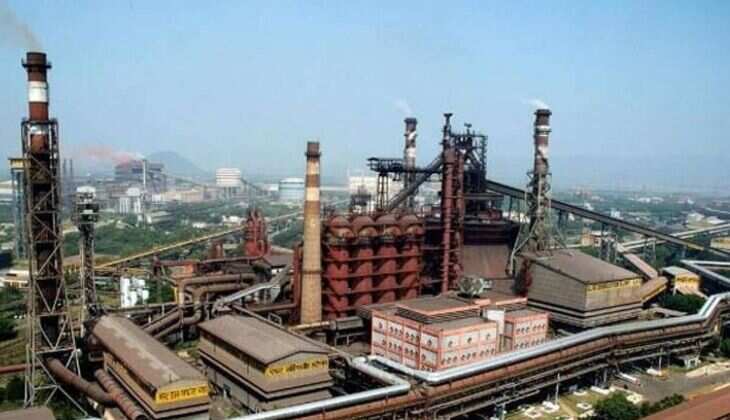
The Indian government has invested ₹1,650 crore into state-owned steel manufacturer Rashtriya Ispat Nigam Ltd, popularly known as Visakhapatnam Steel Plant or Vizag Steel, in an attempt to stabilize the financial situation of the erstwhile public sector company. RINL, under the Ministry of Steel, is believed to have been facing an extreme financial crisis, with total debt reportedly crossing ₹35,000 crore. According to the ministry's latest report, funding will keep RINL afloat in the short term as it weighs long-term options for survival.
On 19 September 2024, the ministry disclosed details of injecting equity capital of ₹500 crore in RINL and a working capital loan worth ₹1,140 crore on September 27, 2024. During this period, large injections of such high amounts of capital were also provided when RINL faces mounting operational difficulties along with rising debt that hindered the firm's capacity to enhance production.
It will be a detailed report by SBICAPS, one of the group companies of the State Bank of India, on sustainability for RINL. The report will analyze all the issues facing the company operationally and suggest measures that will ensure the company remains operationally viable in the long run. According to sources, the report will determine the future operating structure of RINL.
Government has been thinking over the possible disinvestment of RINL, more so after their financial collapse. CCEA approved the proposal for full-scale disinvestment of RINL on January 15, 2021 which comprised the stakes held in subsidiaries and joint ventures by the company. However, the plan has been strongly opposed by the workers' union as captive iron ore mines are the biggest disadvantage to the steel producers without such captive sources, who can lower the costs of its raw materials.
"RINL always bought iron ore at the market price, which incurs higher production costs. Other major steelmakers benefited from captive mines, where their costs were lower, said J Ayodhya Ram, a union leader opposed to RINL privatization. Ram was of the view that there is an added cost as captive mines are not present, and RINL incurs both purchase as well as transportation costs on iron ore.
It has operational problems also because until recently all three of its blast furnaces were not working. Two of its three furnaces are not working so the production capacity is still further reduced. Now that the second furnace in the end of October, a bit of relief has started being seen from that, but it would still take some more time before optimum levels of production begin.
This bridge loan funding will ensure immediate stabilization of finances; then the government will await the report of SBICAPS, which will be crucial for framing further course of actions for RINL - whether it would be about support measures or strategic disinvestment by the government.
Also Read: Key Market Movers This Week: US Elections, Fed Decision, and FII Trading - Read Now