
India’s Growing Energy Appetite: Opportunities, Challenges, and Global Implications - Read Now
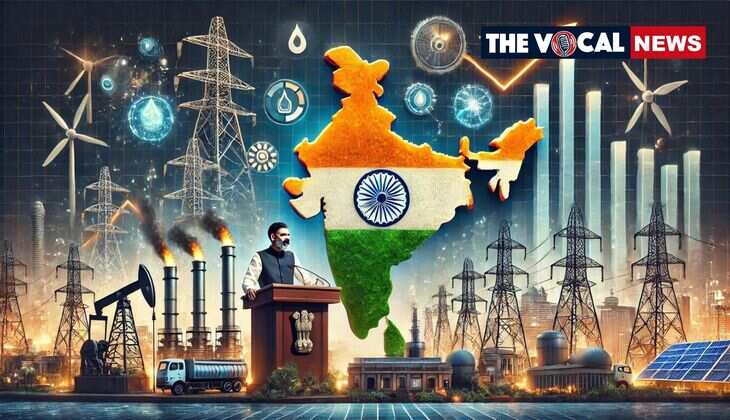
Union Minister Hardeep Singh Puri recently emphasized India’s emergence as the world’s fifth-largest economy, highlighting how this remarkable growth has been fueled, in part, by the nation’s rapidly expanding energy needs. As India positions itself as a global economic powerhouse, its energy consumption has surged, reflecting both its economic ambitions and its growing population. This upward trajectory places immense pressure on India’s energy sector, which is scrambling to keep pace with demand while balancing sustainability, affordability, and supply chain challenges.
A Nation Hungry for Energy
India’s rise to the fifth-largest global economy is a testament to its robust industrial expansion, increasing urbanization, and the rise of its middle class. With a population of over 1.4 billion, the energy needs of India have multiplied significantly, and this trend is only expected to accelerate. From powering sprawling metropolises to supporting small businesses in rural areas, energy consumption is at an all-time high.
Minister Hardeep Singh Puri, speaking at a recent energy summit, underscored this transformation, stating, “India’s energy demand is projected to grow at a rate faster than any other major economy in the world. This is not just a challenge; it’s an opportunity for innovation, investment, and leadership in the global energy market.”
The Balancing Act: Growth vs. Sustainability
India’s energy story is multifaceted, blending traditional energy sources like coal and oil with renewable energy initiatives aimed at ensuring long-term sustainability. While fossil fuels currently dominate India's energy portfolio, the government is making concerted efforts to diversify its energy mix. Renewable energy—solar, wind, and hydropower—has become a significant focus, with the country setting ambitious goals to reduce its carbon footprint.
India’s energy policy is at a crossroads. As one of the largest consumers of oil and coal, it must balance its immediate energy needs with its long-term sustainability goals. The push towards renewables is evident in policies like the National Solar Mission, which aims to make India a global leader in solar energy. With vast stretches of sunny land, India has the potential to harness solar power on a massive scale, while also developing its wind and hydropower sectors.
Minister Puri acknowledged the importance of clean energy, stating, “As we build India’s energy future, we must focus not just on meeting demand but on doing so in a way that protects the environment for future generations.”
Global Energy Players Eyeing India
The global energy market is watching India closely. As the country’s demand for energy rises, it presents opportunities for international investors, energy companies, and innovators to collaborate on solutions. From joint ventures in oil and gas exploration to partnerships in developing green hydrogen and battery storage technologies, India is increasingly seen as a critical player in the global energy landscape.
India’s growing energy needs also have geopolitical implications. As it seeks to secure reliable energy sources, India has forged strategic energy partnerships with countries like the United States, Saudi Arabia, and Russia. The country is keen to diversify its energy imports to reduce dependency on any single nation, ensuring greater energy security in an unpredictable global market.
The Domestic Energy Push
On the home front, India’s energy companies are ramping up production, exploring new fields, and modernizing infrastructure to meet the rising demand. Oil and gas exploration, both onshore and offshore, is being expanded. Meanwhile, domestic companies like ONGC and Indian Oil Corporation are investing in new technologies to optimize energy production and minimize waste.
The government is also investing heavily in infrastructure to ensure reliable and affordable energy distribution across the country. Initiatives like the Pradhan Mantri Ujjwala Yojana, which aims to provide LPG connections to households in rural areas, highlight the country’s push for inclusive energy access.
Opportunities and Challenges
The energy landscape in India presents both opportunities and challenges. While the growing demand provides a fertile ground for innovation, investment, and job creation, it also poses serious concerns about environmental sustainability, resource depletion, and the country’s reliance on imports for a large portion of its energy needs.
Minister Puri expressed optimism, noting that India's energy strategy focuses on innovation and partnerships. “We are poised to lead the world not only as an economic powerhouse but as a responsible energy consumer that embraces sustainable practices and technological advancements.”
India’s energy journey is far from over, and its ability to manage the demands of a rapidly growing economy will determine its success on the global stage. The energy sector will continue to play a pivotal role in India’s development, shaping the future of the nation and its people for generations to come.
Powering India's Future
As India continues its march toward becoming a global economic leader, its energy needs will only grow. The balance between meeting these demands and ensuring sustainability will be critical. India is well on its way to achieving this, with strategic policies, international partnerships, and a focus on renewables. With energy being the lifeblood of progress, the world will be watching closely as India powers its way to the top.
