
iPhone 16 Ban: Apple Offers ₹844 Crore to Resolve Issue
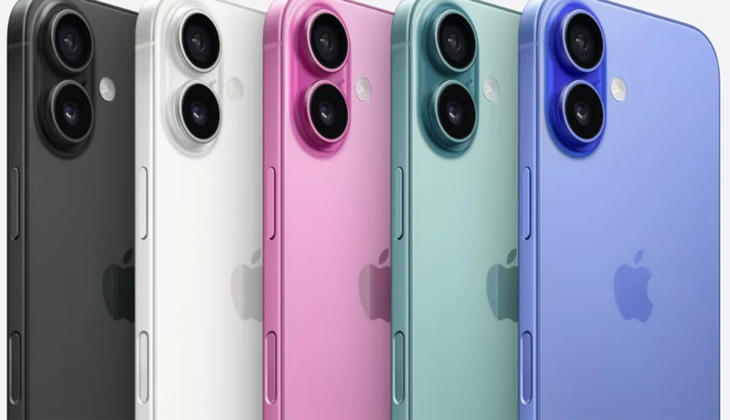
Apple has presented an investment of ₹ 844 crore to the Indonesian government to lift its ban on the iPhone 16. This is ten times more than Apple's investment plan, which previously set out to be worth $10 million or approximately ₹84 crore.
Apple Offers ₹844 Crore to Lift iPhone 16 Ban
Apple has proposed a ₹844 crore investment to address Indonesia's strict local manufacturing requirements, aiming to lift the iPhone 16 ban. The ban stems from Apple's inability to meet the country's 40% domestic content rule for smartphones and tablets. This strategic move highlights Apple's commitment to securing its market presence in Southeast Asia's largest economy. By increasing its investment, Apple seeks to align with Indonesia's push for local production while maintaining access to one of the region's most promising markets.
Background of the Ban
Earlier this month, Indonesia's Ministry of Industry enforced a sales ban on the iPhone 16 because Apple had failed to meet the 40% domestic content requirement mandated for the country's smartphone and tablets. According to this plan, the ministry is trying to strengthen local manufacturing in the region and reduce dependency on imports. Apple's current investment in Indonesia is reportedly 1.5 trillion rupiah or approximately ₹801 crore, against the previously committed amount of 1.7 trillion rupiah or about ₹907 crore.
Also Read: Faithful Dog Waits 2 Years at Owner's Grave, Rescued
New Offer by Apple
Apple has promised to invest ₹844 crore over two years, according to a new offer to align with the stiff regulations in Indonesia. After the ministry's ban, top executives from Apple were invited to meet the Industry Minister Agus Gumiwang Kartasasmita. In Jakarta, they went ahead and were instead diverted to hold a meeting with the Director General. This further showed that the negotiation was quite tough and messy.
Government Response
The new administration led by President Prabowo Subianto is proving uncompromising in their resolve towards home production and the ban of iPhone 16 vividly defines this approach. Nevertheless, the Indonesian government has not issued a word on the latest offer from Apple. Of course, the ban demonstrates a larger strategy on the part of Indonesia for compelling foreign companies to enhance local manufacturing investments.
Apple’s substantial offer signals its intent to maintain its market presence in Indonesia while navigating the country’s regulatory landscape. Whether this investment will satisfy Indonesia’s demands remains to be seen, but it underscores the growing importance of adhering to local manufacturing policies in emerging markets.