
Maggi Prices May Rise: India-Switzerland Trade Dispute Could Be the Reason
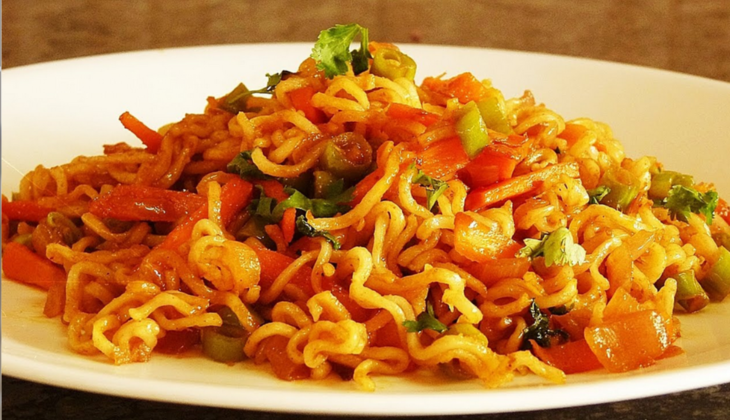
The two-minute Maggi noodles, dear to the hearts of many Indians, might soon become expensive. Switzerland has decided to suspend the Most-Favored-Nation clause under its 1994 Double Taxation Avoidance Agreement with India, with effect from January 1, 2025. This decision may force Swiss companies, including Nestlé, to incur higher costs in the form of up to 10% tax on dividends earned from Indian sources, a rate which is now higher than the previous one.
What Triggered the Dispute?
The controversy began after India's Supreme Court clarified in a 2023 ruling that the MFN clause does not apply automatically and requires explicit notification from the Indian government. Switzerland argued that it did not receive the same benefits that India was sharing with other countries which offered better tax treaties. Faced with a lack of reciprocity, Switzerland made the decision to suspend the MFN clause.
Consequences for Swiss Enterprises
Swiss companies like Nestlé will now pay a higher dividend tax rate of up to 10%, while earlier it was at lower rates. Nestlé had filed an appeal seeking a 5% tax rate as they had DTAA agreements with other countries like Slovenia and Lithuania. The Supreme Court rejected their appeal, thereby increasing the tax burden on such companies.
What It Means for Consumers
This additional tax burden on companies is probably going to be passed on to consumers, and products such as Maggi and other Nestlé products will cost more in India. It reflects the challenge of ongoing trade between India and Switzerland and the strong impact of international tax policies on everyday consumer products.
