
How Ratan Tata Turned Losses into Profits: A Legacy of Success - Read Now
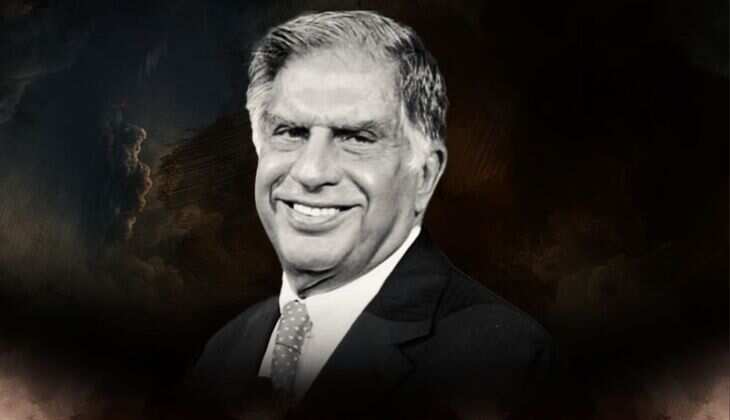
Ratan Tata, who passed away at the age of 86, was a fourth-generation leader of the Tata family. His incredible knack for turning every "loss-making deal" into profit was not just a skill he developed, but a family legacy passed down through generations. This special trait helped him lead Tata Group to unimaginable heights. Let’s take a look at how Ratan Tata, along with his forefathers, transformed struggling businesses into successful ventures.
Jamshedji Tata: The Pioneer
The legacy of converting losses into profit started with Jamshedji Tata, the founder of the Tata Group. He initially ventured into the textile business by establishing the Empress Mill in Nagpur in 1874, with an investment of ₹1.5 lakh. Later, he purchased Dharmsee Mills in Bombay (now Mumbai), a company that had been running at a loss for four years. With his sharp business acumen, Jamshedji turned it around, renaming it Swadeshi Mill. Though the mill faced multiple challenges like outdated machinery and labor shortages, Jamshedji’s determination helped him transform it into a profitable venture.
J.R.D. Tata: India's Aviation Visionary
J.R.D. Tata, known for giving India its first airline, Air India, carried forward this family tradition. At a time when air travel wasn’t widely popular, J.R.D. turned Air India into a luxury airline, representing India’s culture globally. Under his leadership, Air India became a benchmark for airlines worldwide. He also played a major role in the growth of companies like Tata Motors, Tata Consultancy Services (TCS), and Tata Salt, making the Tata brand a household name.
Ratan Tata: Global Expansion and Innovation
Ratan Tata carried this legacy forward during his nearly 30-year leadership of Tata Group. He transformed Tata into a global powerhouse by acquiring companies like Corus Steel, Tetley Tea, and Jaguar Land Rover, turning them from loss-making businesses into profitable ventures. Under his leadership, Tata Consultancy Services (TCS) became the world's second-most valuable IT company, employing over 600,000 people globally.
Ratan Tata’s most iconic achievement was launching the Tata Nano in 2008, offering an affordable car for the common man, priced at just ₹1 lakh. This revolutionary move made car ownership a reality for many Indian families.
