
Sensex Surges 600 Points as US Fed Rate Cut Boosts Indian Markets - Read Here
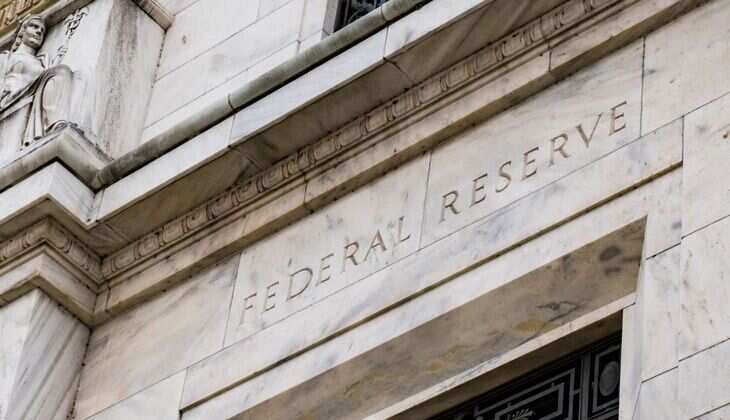
The Indian stock market surged to record highs on Thursday, September 19, 2024, following the announcement by the US Federal Reserve of a 0.50% interest rate cut. The Fed’s decision to ease interest rates for the first time in four years had an immediate impact on the Bombay Stock Exchange (BSE) and National Stock Exchange (NSE), with both indices opening at all-time highs.
Global Influence on Indian Markets
The ripple effect of the US Fed’s policy decision has been clearly reflected in India’s markets. The reduction in interest rates, which now stand between 4.75% and 5% in the US, signals an effort to combat inflation while supporting economic growth. The decision has increased investor optimism in India, particularly as the gap between US and Indian interest rates widens. As global investors seek higher returns, India is emerging as a prime destination for foreign investment, contributing to the rapid growth in stock market valuations.
Strong Start: Sensex and Nifty Open at Record Levels
On Thursday, BSE Sensex opened with a remarkable rise of 410.95 points, climbing to 83,359.17 points. NSE Nifty followed closely, with an impressive gain of 109.50 points, pushing it to 25,487.05 points. By midday, Sensex had jumped over 600 points, trading at 83,563, with all 30 listed stocks in the green. Nifty too saw substantial gains, trading 173 points higher at 25,551. Of the 50 stocks on Nifty, 48 were trading positively, with only two stocks showing marginal losses.
The sharp rise in the market led to massive gains for investors, as the total market capitalization of BSE-listed companies rose by ₹3.09 lakh crore, reaching ₹4,70,82,827.84 crore from ₹4,67,72,947.32 crore recorded a day earlier.
How the Fed's Decision Impacts Indian Markets
The Fed’s move to cut interest rates was long awaited. Its impact on Indian markets is twofold. First, lower interest rates in the US reduce the cost of borrowing, making emerging markets like India more attractive for global investors. Secondly, a reduced Fed rate weakens the US dollar, potentially leading to an inflow of foreign currency into Indian markets. This could result in a stronger Rupee, which would further enhance the country’s foreign reserves.
India, being one of the fastest-growing economies, stands to benefit from these global shifts. Foreign institutional investors (FIIs) have already started pouring funds into Indian markets, anticipating better returns compared to developed economies. This surge of foreign investment is driving stock prices higher, providing significant gains for Indian investors.

Challenges for RBI Amid US Rate Cuts
While the surge in market activity is positive for investors, the Indian Reserve Bank (RBI) faces a challenging task ahead. The widening gap between Indian and US interest rates may attract more foreign capital, but it also creates pressure on the RBI to balance domestic growth with inflation control. Lowering interest rates in India might be necessary to sustain economic growth, but this could also lead to inflationary pressures in the long term.
Furthermore, any potential economic slowdown in the US could have a knock-on effect on global trade, potentially impacting India’s export-driven industries. The RBI will need to carefully manage its monetary policy, ensuring that it supports growth while guarding against inflation and currency volatility.
Outlook for Indian Investors
For Indian investors, the current market conditions present lucrative opportunities. The bullish trend is expected to continue, especially as the Fed’s rate cuts open the door for more foreign investments in Indian stocks. However, investors should remain cautious of global economic uncertainties that could disrupt this upward momentum.
In conclusion, while the US Fed’s rate cut has been a significant catalyst for the Indian stock market’s rally, it is important for both policymakers and investors to monitor global developments closely. The US Fed may continue adjusting its policies based on economic conditions, and any shifts could quickly influence markets worldwide, including India.
