
NEET UG 2026 Re-Exam: NTA Adds Extra Time and Rough Sheets Amid Nationwide Telegram Ban
Ahead of the NEET UG 2026 re-exam, the NTA has introduced 15 minutes of additional time and extra rough-work sheets, while the government has temporarily blocked Telegram across India to curb cheating networks and prevent the spread of exam-related misinformation.
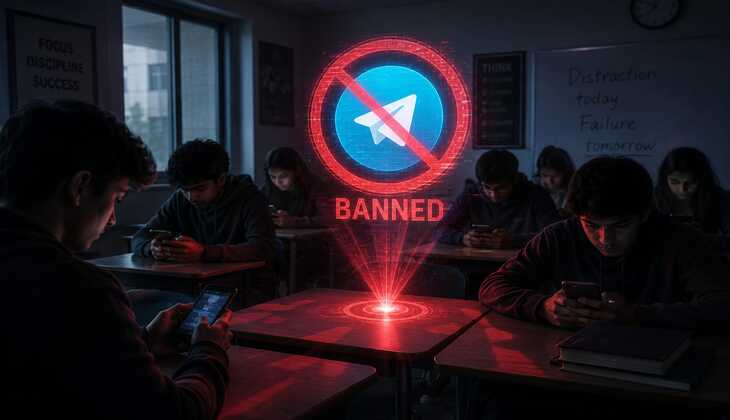
Following months of controversy and protests surrounding the NEET UG 2026 paper leak case, the National Testing Agency (NTA) has announced several logical changes ahead of the re-examination of NEET UG that is scheduled for June 21. These updates address long-standing student demands regarding time management and exam room logistics.
15 Minutes of Additional Time
Candidates will now have a total exam window of 195 minutes, an increase of 15 minutes over the standard duration. The NTA stated that this extra time is specifically allocated to handle administrative formalities, such as biometric attendance and signatures. By accounting for these procedures separately, the agency aims to ensure that students do not lose actual writing time, reducing last-minute panic.
Increased Space for Rough Work
To assist candidates with lengthy Physics and Chemistry calculations, the NTA has doubled the number of rough-work pages in the question booklet from two to four.
Additionally, the layout of the booklet has been redesigned. Instead of placing all rough sheets at the very end, two pages will now be placed near the beginning and two at the back. This adjustment is intended to improve convenience for all candidates, particularly left-handed students who often face difficulties with traditional booklet formats.
Government Imposes Nationwide Telegram Ban Until June 22
In an unprecedented security move, the Ministry of Electronics and Information Technology (MeitY) has temporarily blocked access to Telegram across India until June 22, 2026. Acting on recommendations from the NTA, the government invoked Section 69A of the IT Act to disrupt organized cheating syndicates that have been exploiting the messaging platform to target candidates.
The Timestamp Fraud Loophole
The decision to implement a platform-wide ban, rather than just blocking individual channels, stems from a technical loophole that scammers were using to create panic. Channel administrators would upload an empty or generic file before the exam took place. Once the exam concluded and the question papers became public, the admins would edit those specific posts to swap in the genuine questions. Because Telegram retains the original creation timestamp even after a message is edited, it created the illusion that the paper had been leaked prior to the exam. Syndicates used this trick to manufacture false evidence of leaks and extort money from anxious students.
Two-Phase Digital Restrictions
To counter this, the government has instituted two distinct restrictions. First, a full app block is in place until June 22 to prevent the live distribution of materials over the exam weekend. Second, the "edit message" function has been disabled for Indian users until June 30 to prevent retroactive fraud.
While officials acknowledged that the ban causes temporary inconvenience to regular users, reports from The Times of India, India Today highlight that authorities maintained securing the integrity of the medical entrance exam remains the absolute priority.
Moving Forward
It remains to be seen whether these operational adjustments and digital restrictions will fully restore public confidence after the initial paper leak scandal. Systemic concerns regarding exam security continue to be a major point of discussion among parents and educators.
However, for the lakhs of candidates appearing for NEET UG on June 21st , the additional time, increased workspace, and structural crackdown on misinformation should provide a more organized and less chaotic testing environment.