
Viral, Violent, and Political: Why the Slapping of Abhijeet Dipke Matters Beyond the Video
A viral video showing Cockroach Janta Party founder Abhijeet Dipke being slapped during a Jaipur protest has sparked nationwide debate on youth politics, democratic protest, unemployment, exam paper leaks, and the growing influence of internet-driven political movements in India.
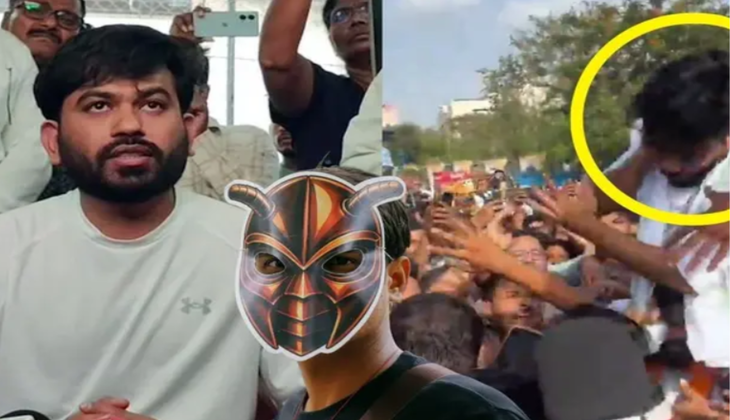
A protest in Jaipur took a dramatic turn when Cockroach Janta Party (CJP) founder Abhijeet Dipke was slapped multiple times while being carried on the shoulders of supporters. The incident, captured on video and widely shared across social media, quickly became one of the most talked-about political moments online.
What Happened in Jaipur?
The protest was organized around issues that resonate strongly with young Indians: alleged exam paper leaks, unemployment, and demands for accountability in the education system.
What was meant to be a peaceful demonstration suddenly descended into chaos when individuals in the crowd allegedly attacked Dipke, triggering scuffles between supporters and the attackers. Police later detained multiple people and launched an investigation into the incident.
As clips of the confrontation spread across social media platforms, the event rapidly moved from a local protest to a nationwide talking point.
More Than Just a Viral Video
But for many Gen Z observers, the story isn't just about a viral slap. It's about what the incident represents.
Over the past few weeks, the Cockroach Janta Party has transformed from an internet meme into a youth-led movement that has attracted millions of followers online and thousands of supporters on the ground. The movement has tapped into growing frustration around exams, jobs, and opportunities for young people.
For many supporters, the Jaipur incident reflects the intensity of emotions surrounding issues that directly affect the future of India's youth.
Dipke's Response Draws Attention
What surprised many was Dipke's response. Instead of calling for retaliation, he urged supporters to remain peaceful and continue focusing on their demands.
He argued that violence should not distract from the issues being raised by students and unemployed youth. The response was praised by some supporters who felt that keeping the focus on policy concerns was more important than escalating tensions after the incident.
The Online Debate
The incident has sparked fierce debate online. Some see it as an attack on democratic protest, while others view it as another example of how political tensions are increasingly playing out in the age of viral content.
Social media users have been divided in their reactions, with discussions ranging from political accountability and freedom of expression to the role that internet-driven movements now play in shaping public discourse.
A Bigger Conversation About Youth Politics
Either way, the Jaipur video has done more than generate clicks—it has reignited conversations about youth anger, political participation, and whether India's younger generation is finding a new voice in public life.
As the video continues to circulate across social media platforms, one thing is clear: the conversation has moved far beyond a single incident. It has become a symbol of a larger debate about the future that many young Indians believe they are fighting for.
Whether viewed as a political flashpoint, a viral moment, or a reflection of growing youth frustration, the incident has highlighted the increasing influence of young voices in India's public and political conversations.
