
Why Did Shirdi Laddus Start Smelling 12 Years Ago? Adulteration Controversy Sparked Uproar Back Then Too
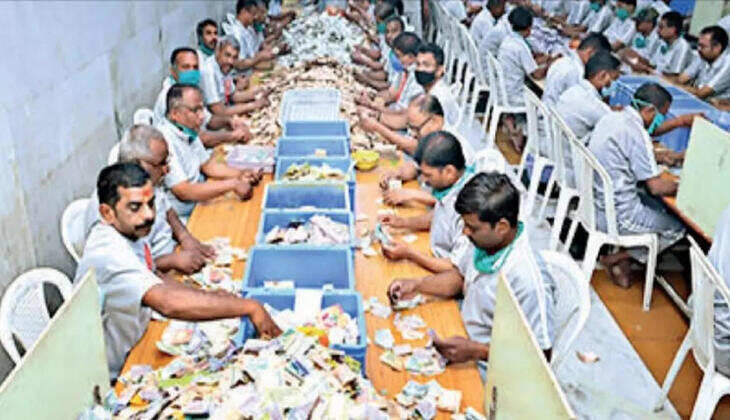
Shirdi, a renowned pilgrimage destination in Maharashtra, holds great significance due to the revered Sai Baba. Like Tirupati Balaji, the Shirdi Sai Baba Temple also distributes laddus as prasad to its devotees. However, the Tirupati Laddu controversy has stirred up a similar discussion about the quality of prasad in Shirdi. Recently, allegations surfaced that animal fat was being used in Tirupati laddus, leading to widespread political unrest in Andhra Pradesh and distress among devotees worldwide. Interestingly, Shirdi's temple also faced accusations of prasad adulteration in the past.
Concerns Raised Over Ghee Quality in 2012
Back in August 2012, several devotees complained about the quality of the laddus offered as prasad in Shirdi. They claimed the laddus had a strange odor and tasted unpleasant. This raised concerns about the quality of desi ghee used to prepare the prasad, echoing similar issues recently seen with Tirupati Balaji's prasad. Devotees who visit Sai Baba’s temple from across the country take these laddus home to share with family and friends, making any such concerns deeply upsetting for the faithful.
Bitterness in the Laddu
According to a report by Business Standard, one devotee remarked, "We have visited the temple several times, but this time, the laddus had a bitter taste." Another devotee pointed out that while people were hesitant to voice their concerns due to the religious significance, the bitterness had been noticeable for a while. Following these complaints, the Food and Drug Administration (FDA) conducted a raid on the temple's kitchen, collecting samples of the ghee used to prepare the prasad. While the test results were not disclosed, approximately 450,000 laddus were reportedly destroyed as a precautionary measure.
Complaints About the Quality of Semolina in Halwa
At the time, around 50 quintals of prasad were prepared daily at the Shirdi temple, with ingredients being procured through tenders. Along with the concerns about laddu quality, complaints were also made about the semolina (sooji) used in the Satyanarayana prasad halwa. Upon investigation, top district officials and temple trust members found that the laddus indeed tasted off and hinted at taking action against the ghee supplier.
Prior Complaints of Adulteration
This wasn't the first time complaints had been made about the prasad quality. In 2009, an incident occurred where 150,000 laddus were destroyed after devotees complained of a foul smell and some fell ill after consuming them. The ghee used in the prasad was once again brought into question.
Thousands Visit Shirdi Daily
The Sai Baba statue in Shirdi is made of Italian marble, adorned with precious clothes, a golden crown, and garlands of fresh flowers. On a regular day, around 30,000 devotees visit the temple to pay their respects, while during festivals and special occasions, the number can soar to 200,000-300,000. The temple follows rituals and traditions that have been in place since Sai Baba’s time, with four daily aartis being conducted. The Shri Sai Baba Sansthan Trust manages the operations of the temple.
While the Tirupati Laddu controversy has brought attention back to such issues, the Shirdi Sai Baba Temple continues to be a place of deep spiritual significance for millions of devotees.
