
Why You Can’t Just Buy a Birkin: Inside Hermes’ Secretive Luxury Game
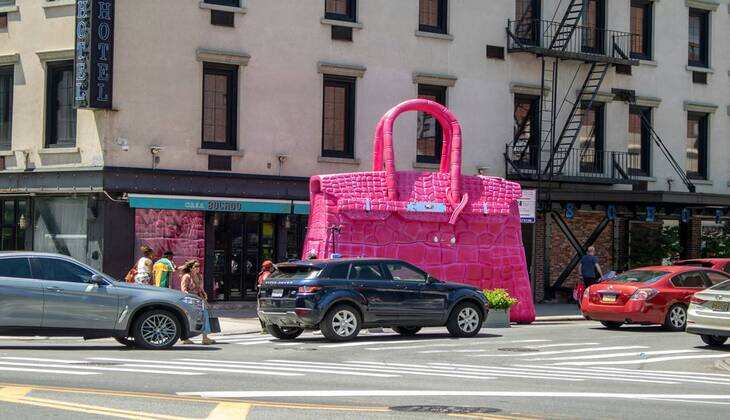
At a time when luxury is often equated with ease, stepping into a Hermès boutique tells a very different story. Here, wealth may open the door, but it rarely guarantees what lies inside. The much-coveted Birkin or Kelly is not simply purchased. It is earned, observed, and in many cases, quietly decided upon long before a client even realises it. What appears to be a straightforward retail transaction is, in reality, a carefully managed ecosystem where behaviour, consistency and perception are as valuable as the money spent. And increasingly, the process is drawing attention for how deeply it evaluates those who wish to be part of it.
The Birkin and Kelly mystery: why you cannot just buy one
Unlike most luxury goods, Birkin and Kelly bags are not displayed openly. Even if a store has them in stock, they remain behind the scenes, released only when a sales associate deems a client suitable.
Internally, these are often referred to as “quota bags”, and access is quietly controlled. There is no official rulebook, yet regular clients understand the pattern.
To even be considered, buyers are expected to build a purchase history across categories such as:
- Ready-to-wear collections and footwear
- Jewellery, watches and home décor
- Smaller leather goods and accessories
This is not merely about spending. It is about demonstrating alignment with the brand’s identity. Loyalty to a single boutique and a consistent buying journey often matter more than one-time high-value purchases.
The appointment system that decides your fate
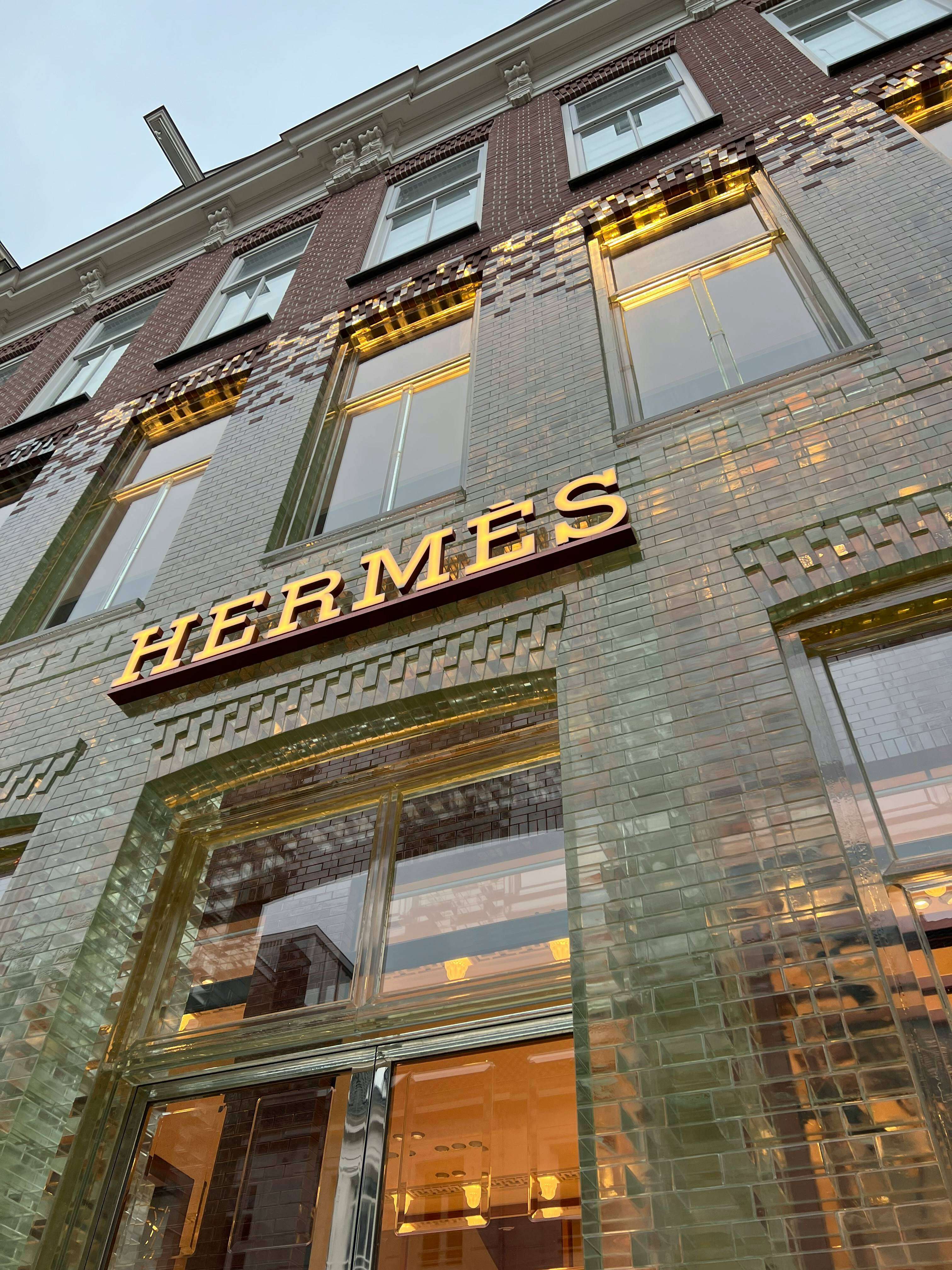
In cities like Paris, even asking for a Birkin requires planning. Customers must first secure a leather appointment, which simply gives them a chance to request a bag. Since 2019, demand has been managed through an online lottery system across key stores such as Rue du Faubourg Saint-Honoré and Avenue George V. But securing a slot does not promise success. Store managers retain full discretion. They decide if a customer will be allowed to buy a bag, and which one. During major events like fashion weeks, the inventory is strategically held back to ensure only priority clients are served.
Behind the scenes: How buyers are quietly evaluated
One aspect of the Hermes that is not discussed often is the level of scrutiny involved. A special training is given to the sales associates to observe far more than what a client purchases.
Several subtle indicators come into play:
- Regularity in shopping pattern across time and location
- Preference for understated pieces over logo-heavy items
- Long-term engagement rather than quick accumulation
Customers who rapidly spend large sums solely to reach a perceived threshold can raise suspicion. Similarly, purchasing across multiple countries without a clear pattern may be viewed unfavourably. What you wear, how you speak also matter. It contributes to an overall impression that impacts decisions.
Social media, background checks and resale monitoring
As the resale market for luxury goods has become big, so has the level of monitoring.
- Associates are increasingly attentive to details such as:
- A person's social media presence and lifestyle portrayal is tracked
- If a purchase aligns with a client’s broader profile
- Signs of potential resale activity
After a sale, the relationship does not end. Luxury brands actively check resale platforms, and if a purchased bag reappears too quickly, it can lead to consequences. Customers can risk their chances of buying any bags in the future. For high-value exotic leather pieces, detailed records and photographs are maintained to enable precise identification.
The pressure on the people selling the bags
While clients often feel the tension, sales associates operate under equally strict conditions. In many European stores, individual commissions are not tied to selling Birkin or Kelly bags. Instead, incentives are structured at a boutique level, and quota bags do not directly contribute to performance metrics.
This discourages aggressive selling and reinforces control. Staff are expected to justify every allocation decision, often under close managerial oversight. Even gestures from clients are regulated. Gifts are pooled and redistributed rather than retained individually. This helps in ensuring that personal favours do not influence outcomes.
Is exclusivity becoming exhausting for buyers?
For years, the allure of exclusivity was enough to sustain the system. At present, however, there are signs of fatigue among even the most loyal customers. This entire procedure can feel intimidating, unpredictable and, at times, extremely demanding. Meanwhile, alternatives are gaining traction. The resale or the second-hand market now offers immediate access to Birkin and Kelly bags, often at a premium. That's not all, high-quality replicas or first copies, though controversial, are also reshaping conversations around value and authenticity.
This raises a larger question. When access becomes too complex, does exclusivity still feel aspirational, or does it begin to feel restrictive?
FAQs
1. Why is it so difficult to buy a Hermès Birkin bag?
Because Hermès controls supply strictly. Access depends on purchase history, loyalty and how a client aligns with the brand, not just their ability to pay.
2. What is a leather appointment at Hermès?
It is a scheduled slot that allows a customer to request a handbag. It does not guarantee that a Birkin or Kelly will be offered.
3. Does Hermès really check customers before selling?
Yes. Sales associates assess behaviour, buying patterns and sometimes even public profiles to determine whether a client fits the brand.
4. Can you be blacklisted by Hermès?
While not officially confirmed, clients who resell bags quickly or behave inconsistently may lose future access to exclusive products.
5. Is buying from resale markets easier than stores?
Yes. Resale platforms offer immediate access, though often at higher prices. However, they do not provide the brand relationship valued by Hermès.
In the end, the Hermès experience is less about ownership and more about entry into a tightly curated world. Whether that world continues to captivate or quietly alienate its audience remains to be seen.
