
What is zinc and why does our body need it?
Zinc is a vital mineral that supports over 300 enzymes in the human body. From boosting immunity to aiding in fertility and bone health, zinc plays a key role. Learn about its dietary sources, why vegetarians are at risk of deficiency, and how to take the right supplements.
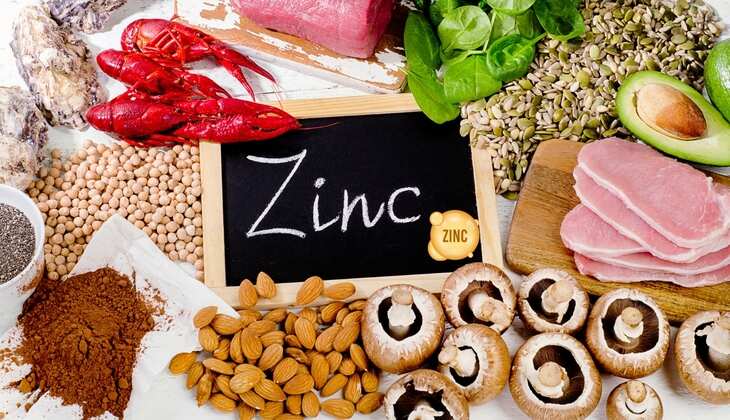
Zinc is an essential mineral for us. Everyone needs it, even if only in small amounts, to stay healthy.
Like other minerals, the human body cannot make zinc so we must obtain it from our diet.
So how can you make sure you're getting enough zinc, and what happens if you don't?
Zinc is not stored in the body in large quantities, so dietary care is needed to maintain zinc levels.
Why is zinc needed?
Zinc is essential for our health in many ways. There are more than three hundred enzymes in the body that depend on zinc. These enzymes are proteins that help speed up chemical reactions.
Zinc is involved in many important body functions, from the digestion of proteins and carbohydrates to the formation of DNA. It helps calcium and other minerals bind to bone structure and plays a role in bone development.
Zinc also acts as an antioxidant. It helps protect cells from damage as well as keep your immune system functioning normally.
Zinc is also important for normal reproduction and fertility. In women, it plays a role in egg development , while in men it helps in the production and movement of sperm.
In children, it helps in the growth and development of the brain and nervous system.
Is zinc really helpful in fighting colds?
Zinc plays an important role in the body's immune system. It has been a common ingredient in cold medicines since the 1980s. Studies conducted at that time showed that it could prevent the spread of cold viruses.
But recent research has shown that zinc is more effective at shortening the duration of colds than preventing them. A review of more than 30 studies found no evidence that zinc can prevent colds, but some studies have shown that it may shorten the duration of a cold by one to two days if taken early.
However, experts do not consider these findings to be conclusive due to differences in the type of zinc, its dosage, and the timing of intake.
Zinc also has some side effects. Taking high doses can cause stomach problems, vomiting and even a metallic taste in the mouth.
How much zinc is needed?
In the United Kingdom, the recommended daily intake of zinc for adults is 9.5 mg for men and 7 mg for women.
Breastfeeding women require an additional 6 mg per day during the first four months of breastfeeding and an additional 2.5 mg thereafter.
Foods that are good sources of zinc include:
- Meat
- Peas, beans and lentils
- nuts and seeds
- Whole grains and brown rice
- Eggs
- Dairy
Fruits and vegetables contain many vitamins and minerals. But they are low in zinc. Zinc from non-vegetarian food is better than zinc from vegetarian food
This is because plant foods also contain phytates (a form of stored phosphorus). These bind to zinc in the intestine and prevent its absorption.
Research shows that people who follow vegetarian and vegan diets have lower zinc levels.
There are some ways to prepare plant foods that may also help improve zinc absorption. Soaking and sprouting beans and grains can reduce the amount of phytate in them, as can fermentation.
This means that leavened bread is a better source of zinc than regular chapati.
The World Health Organization estimates that 30 percent of the global population is at risk of zinc deficiency .
What about supplements?
If you choose to take zinc supplements, it's important that you don't take too much. The NHS recommends taking no more than 25mg of zinc a day.
(All the content in this article is for general information only. If you are concerned about your health, consult a doctor)
Published for the The Vocal News by Collective Newsroom.