
Thrill or Peril: The Deadly Cost of Amusement Park Negligence — Can We Trust the Rides? What Noida's WOW, Gurgaon's FnF Tragedies Teach Us
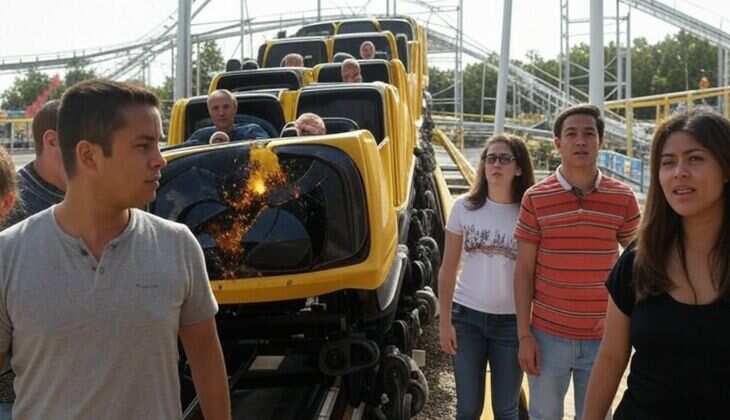
The screams of joy that echo through amusement parks often mask a darker reality: the spine-chilling risks lurking behind poorly maintained rides and profit-driven negligence. Recent tragedies across India have turned rollercoasters into death traps, water slides into instruments of horror, and swinging attractions into nightmares. From Noida to Chennai, the line between thrill and tragedy has blurred, forcing us to ask: Are these parks playing with lives?
Noida’s Water Slide of Death: A Young Life Erased
In July 2024, a 24-year-old man from Delhi embarked on what should have been a day of fun at a Noida water park. Instead, he became a statistic. As reported by the Hindustan Times, the victim suffered fatal injuries on a water slide described by witnesses as “rickety” and “dangerously fast.” His family later alleged the ride lacked basic safety features, such as harnesses or padded barriers, and that park staff failed to intervene as he struggled mid-descent. Just months prior, the same park faced backlash when a similar slide malfunctioned, injuring multiple guests. Investigations revealed shocking truths: expired safety certifications, corroded machinery, and staff untrained in emergency response.
This wasn’t an accident—it was a preventable disaster.
Chennai’s Swing Ride Horror: A Metal Rod Through the Skull
In Chennai, a 19-year-old college student’s visit to MGM Amusement Park turned into a scene from a horror film. A metal rod detached mid-ride from a swinging attraction, striking her skull and leaving her hospitalized with severe head trauma (Times Now). Disturbing footage showed the rod plunging from a height, narrowly avoiding other riders. The incident exposed a culture of apathy: the park had ignored warnings about structural wear, opting for quick fixes over repairs. “They treated our complaints as jokes,” said a former employee in an anonymous interview.
Delhi’s Rollercoaster Catastrophe: A Bride-to-Be’s Last Ride
Months before her wedding, a 28-year-old woman in Delhi boarded a rollercoaster that would become her coffin. As reported by NDTV, the ride malfunctioned mid-loop, flinging her against unyielding metal restraints. She died of internal injuries before reaching the hospital. Grief-stricken relatives later discovered the ride had not been inspected in over two years. “They killed her for a few rupees saved on maintenance,” her father told reporters.
The Rot Beneath the Glitter: Systemic Failures
These incidents are not isolated—they are symptoms of a broken system.
1. Profit Over People: Many Indian amusement parks operate on razor-thin margins, cutting corners on maintenance, staff training, and equipment upgrades. Rides are often imported second-hand from abroad, with parts nearing expiration.
2. Regulatory Farce: Safety oversight in India is a patchwork of lax state laws. Inspections, when they occur, are cursory. Penalties for violations are laughably low—often just ₹10,000–₹50,000—a mere fraction of daily ticket revenues.
3. Public Complacency: Patrons, lured by discounts and social media hype, rarely question ride safety. “People assume parks are regulated. They’re wrong,” says Arvind Kumar, a mechanical engineer and safety auditor.
Global Lessons, Local Apathy
Contrast this with countries like Japan or Germany, where amusement rides undergo daily checks and strict federal oversight. In the U.S., accidents trigger multi-million-dollar lawsuits and criminal charges for negligence. Meanwhile, in India, parks often reopen within days of fatalities, their owners shielded by political connections and bureaucratic inertia.
The Fight for Change: Who Will Save Us?
The solution demands collective rage and relentless action:
- National Safety Authority: A centralized regulatory body with powers to shutter unsafe parks, blacklist negligent operators, and mandate real-time safety audits.
- Transparency as Law: Parks must publicly display ride inspection dates, incident histories, and emergency protocols. Mobile apps could allow patrons to report hazards instantly.
- Corporate Accountability: Private insurers should refuse coverage to parks with violation records, forcing them to prioritize safety.
- Public Vigilance: Avoid rides with rusted joints, loose bolts, or indifferent staff. Film and report hazards—your video could save a life.
Conclusion: No More Accidents
The deaths in Noida, Delhi, and Chennai were not “accidents.” They were corporate crimes enabled by greed and a society that shrugs at risk. Every time we board a ride without demanding proof of safety, we gamble with lives.
Amusement parks can be safe—but only if we stop treating negligence as inevitable. The next victim could be your child, your sibling, you. The question isn’t whether to avoid parks, but whether we’ll tolerate another headline screaming, They died for a thrill.
The choice is ours: Demand change, or accept that the next ride might be your last.
