
A Complex Trade Finance Case Under Scrutiny: Allegations, Not Convictions
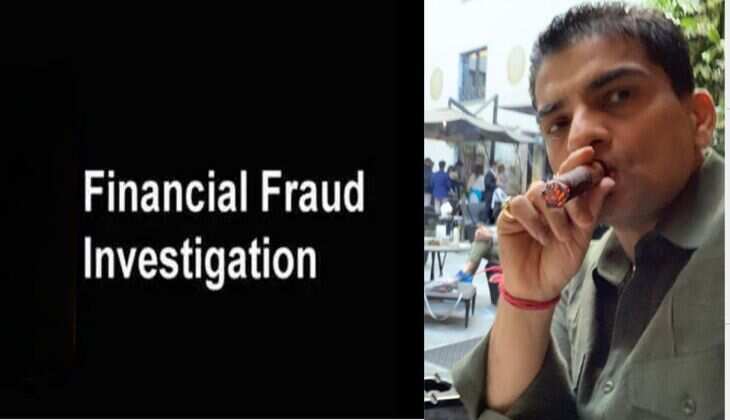
An ongoing probe into a high-profile financial fraud case has spotlighted the weaknesses in global banking and trade systems. While serious charges have been raised, it is critical to note that the individuals and companies involved remain accused, not convicted, and their roles are yet to be conclusively proven in court.
The investigation has linked firms such as Fareast Distribution & Logistics Pte. Ltd., Gulf Distribution Ltd., Maple (UK) Ltd., and Vantage Business Ltd. to allegations of document falsification and questionable trade practices. Their directors and signatories, including Rajesh Bothra, Satish Chander Gupta, and Arun Kumar Arora, are facing charges of conspiracy, fraud, and use of forged documents. However, they continue to maintain their innocence, and the case is still unfolding.
Alleged Document Manipulation
Central to the accusations are claims of forged Bills of Lading and Letters of Credit, essential instruments in global trade. These documents authenticate shipments and secure payments. Whether these were deliberately falsified or the result of other circumstances is still unclear.
A Wake-Up Call for Trade Finance
Irrespective of the final verdict, the case has raised questions about vulnerabilities in a system still heavily reliant on paper-based processes. Experts argue that digitization, real-time verification platforms, and tighter oversight are needed to safeguard against potential fraud in trade finance.
Focus on Systemic Reform, Not Blame
Specialists stress that the investigation should serve as an opportunity to strengthen financial safeguards rather than focusing solely on blame. Enhanced transparency, digitized systems, and stronger due diligence could minimize future risks.
Legal Path Ahead
The accused remain entitled to a fair trial, and the judiciary will decide based on evidence. If proven guilty, penalties or regulatory actions may follow. Meanwhile, the case is already sparking debate about modernizing trade finance systems and addressing systemic risks.
Broader Implications
Beyond the courtroom, this investigation may push governments, banks, and regulators to adopt reforms ensuring transparency, accountability, and digital verification—ultimately reshaping the future of international trade.