
Murder of Journalist Mukesh Chandrakar Highlights Dangers of Reporting in Small-Town India
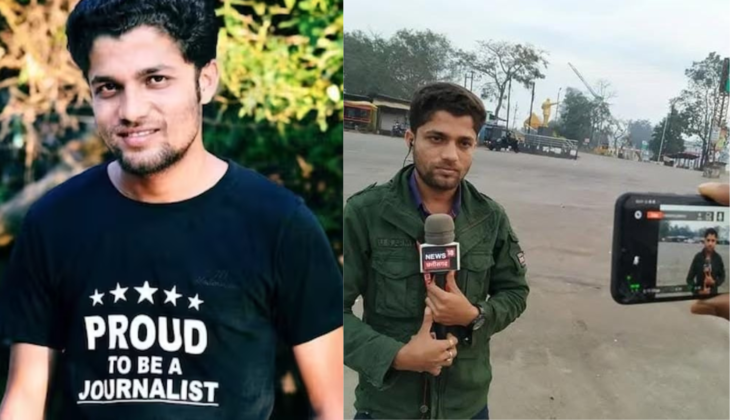
The brutal murder of Mukesh Chandrakar, a journalist from Chhattisgarh, has yet again brought the dangers faced by reporters in India's most volatile regions to the fore. Last week, his body was found in a septic tank on a property owned by a contractor he had implicated in a corruption story. The police have arrested the contractor and two others in connection with his murder. People on twitter are asking for consideration and justice for Mukesh's family from Chhattisgarh government .
इस पत्रकार को सरकारी ठेकेदार ने कुल्हाड़ी से काटकर मार डाला। और लाश को सेप्टिक टैंक में डालकर छिपा दिया। एक हफ़्ता पूरा होने को है। लेकिन छत्तीसगढ़ की @vishnudsai सरकार ने अभी तक मुआवजे की कहने तक ज़रूरत नहीं समझी। प्लीज़ आप सब मुकेश की आवाज़ बनें।#मुकेश_चंद्राकर_को_न्याय_दो pic.twitter.com/4ewWtqeBFH
— Shyam Meera Singh (@ShyamMeeraSingh) January 8, 2025
A Life Dedicated to Journalism
Born in the remote village of Basaguda, Chandrakar grew up amid the ongoing conflict in Chhattisgarh, a state plagued by decades of Maoist insurgency. Despite a difficult childhood, including the loss of his father, he found his calling in journalism in his 20s. After initially taking up odd jobs to support his family, he started his reporting career in 2013, learning the craft on the job.
Before Bastar Junction, the YouTube channel through which he earned approximately 165,000 subscribers before his death, Chandrakar was an established face for mainstream media in the region.
He used the channel to address the less-heard voices, like villagers falling victim to crossfire between Maoists and security forces, as well as ordinary locals dealing with extreme hardship.
Revealing Buried Stories
Chandrakar's videos often focused on the plight of Bastar's residents, from villagers swimming across rivers because there were no bridges to roads mined by insurgents. While his reporting was sometimes criticized for melodrama and a lack of traditional journalistic rigor, it resonated with locals, providing a platform for their grievances and holding officials accountable.
Chandrakar used to work as a stringer for bigger media houses and accompanied other journalists while reporting from inaccessible areas dominated by Maoists, which helped bring out sensitive stories that would not have been known otherwise.
Obstacles in Reporting Conflict Zones
Chandrakar's murder has brought forth the risks and financial instability faced by journalists in small towns. Many, like him, are freelancers or stringers and are paid minimal wages despite risking a lot. According to managing editor of Newslaundry, Manisha Pande, the profession is not financially sustainable, especially for journalists working in remote regions.
Also read : Journalist Mukesh Chandrakar Murdered for Exposing ₹20 Crore Scam in Chhattisgarh
Speculations Surrounding His Death
While the police investigation is still on, questions about Chandrakar's lifestyle and financial circumstances had many raise an eyebrow. Close friends acknowledge the challenges he faced in navigating a profession marked by low pay and high risks. His dedication to journalism, however, remains unquestioned.
A Lasting Impact
Chandrakar's work continues to inspire, shedding light on the critical role of regional journalism in India. As his friend Ganesh Mishra said, "Bastar has lost a great journalist, and his loss is deeply felt by all."
Chandrakar's legacy as a fearless storyteller who gave voice to the voiceless endures, even as the investigation into his tragic death unfolds.
