
Sunita Williams' Extended Space Mission: Exploring Health Risks for Astronauts
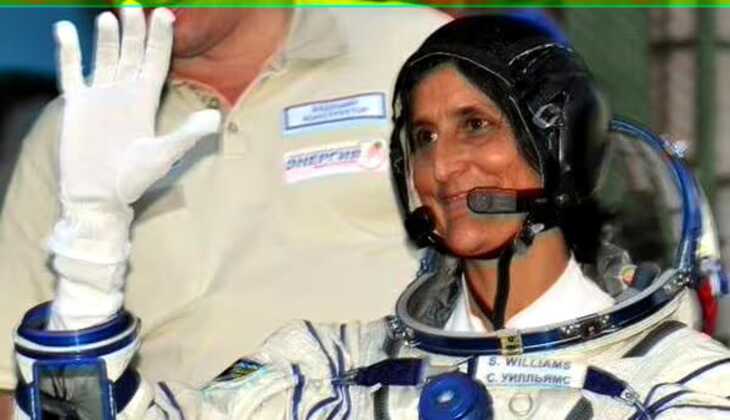
NASA astronaut Sunita Williams has been extending her stay aboard the International Space Station (ISS) due to delays with Boeing’s Starliner spacecraft. Initially scheduled for a brief mission, Williams and her colleague Butch Wilmore now face an unforeseen extension in their stay, prompting further scrutiny into the health risks associated with prolonged spaceflight.
Since her arrival on June 6, Williams has been actively involved in research aimed at understanding how extended periods in space impact human health. One key focus is the influence of microgravity on the body. While space agencies have studied this phenomenon for over five decades, the extended duration of Williams’ mission raises new concerns about potential health hazards.
Key Health Risks in Space
1. Radiation Exposure
Astronauts are exposed to higher levels of space radiation than what we encounter on Earth. This radiation, originating from solar energetic particles and galactic cosmic rays, can significantly impact health. Unlike Earth, which is shielded by its magnetic field and atmosphere, space lacks such protection. Increased radiation exposure is linked to higher risks of cancer, heart disease, and cataracts. Long-term space missions amplify these risks, necessitating ongoing research into effective countermeasures.
2. Bone Density Loss
One of the most notable effects of prolonged spaceflight is skeletal unloading. In the microgravity environment of space, astronauts can lose up to 1% to 2% of bone density per month, particularly in the spine and hips. This rate of loss far exceeds the typical bone density reduction seen in older adults on Earth. This rapid bone loss can lead to a higher risk of fractures and early-onset osteoporosis. Despite rehabilitation efforts, astronauts may not fully recover their bone density upon returning to Earth.
3. Muscle Atrophy
Extended stays in space also lead to muscle weakening, especially in the legs and lower back. Without the need to support the body’s weight, astronauts experience faster muscle atrophy compared to conditions on Earth. This loss of muscle mass requires rigorous exercise routines to mitigate the effects, but recovery can still be challenging.
4. Space Sickness
Space sickness is a common issue, characterized by symptoms such as nausea, headaches, and vomiting. The condition results from the body's adaptation to the microgravity environment and can lead to general discomfort and disorientation.
5. Vision and Brain Health
Microgravity can cause bodily fluids to shift upwards, putting pressure on the eyes and potentially leading to vision problems. A 2021 study highlighted that long-term spaceflight can also contribute to brain damage, with noticeable atrophy in brain regions among astronauts. These issues underscore the need for monitoring and potential preventive measures to protect neurological health.
6. Kidney Stones
The risk of developing kidney stones is heightened in space due to dehydration and increased calcium excretion from bones. Proper hydration and dietary management are essential to mitigate this risk.
Mitigating the Risks
To counteract these health risks, astronauts follow strict exercise regimens, dietary plans, and other preventive measures. NASA is also developing advanced medical data systems that incorporate artificial intelligence and machine learning to better monitor and address health issues in space.
Williams’ extended stay is not only a testament to the challenges of long-duration space missions but also an opportunity to advance our understanding of human health in space. As space agencies prepare for future missions to the Moon and Mars, insights gained from these studies will be crucial in ensuring the well-being of astronauts during extended spaceflight.