
Trump's Tariff War: Targeting China but Benefiting It the Most
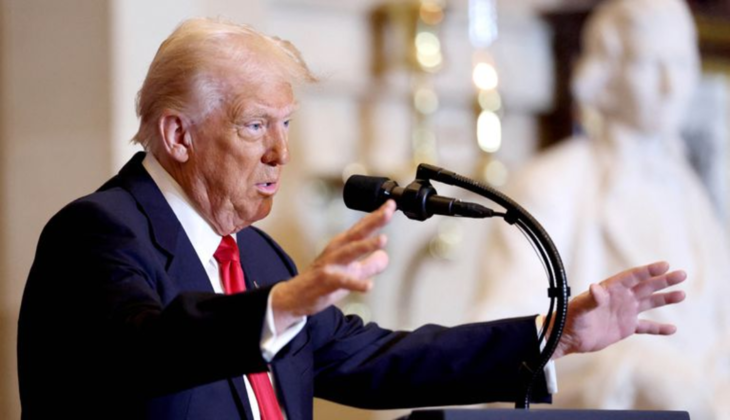
Trump's Tariff War: Former U.S. President Donald Trump has imposed a 10% tariff on all Chinese imports and an additional 25% tariff on steel and aluminum. While his move aims to pressure China, experts believe it might benefit China in the long run.
Trump's Tariff Strategy and Its Global Impact
On February 4, Trump announced a 10% tariff on all Chinese imports, causing global concern. In response, China imposed tariffs on American goods, including crude oil, liquefied natural gas (LNG), coal, agricultural machinery, and pickup trucks, ranging between 10-15%. Shortly after, Trump raised tariffs on steel and aluminum imports to 25%, impacting multiple countries.
How Tariffs Affect Global Trade
1. Impact on the U.S. Steel and Aluminum Industry
The U.S. imports one-fourth of its steel. While China is the largest steel producer, it exports very little steel to the U.S. However, America heavily relies on aluminum imports, with China being its third-largest supplier. The tariffs on steel and aluminum will not only affect China but also impact Canada, Mexico, Brazil, South Korea, Vietnam, Australia, and Japan.
2. China's Retaliation
In response to Trump's tariffs, China took several measures:
Imposed tariffs on key U.S. exports, including energy and machinery.
Restricted exports of 25 critical minerals to the U.S.
Banned several American companies from operating in China.
Why Trump’s Tariffs Could Benefit China
Despite being a target, China may emerge stronger from this trade war. Here’s how:
Strengthening its position as a global trade leader: China can build trust with Global South nations, presenting itself as a reliable trade partner.
Diversifying export markets: As the U.S. tightens trade, China can expand its exports to countries in Asia, Africa, and Latin America.
Boosting domestic industries: The tariff war encourages China’s local manufacturers to focus on self-sufficiency and technological advancements.
Can Other Countries Avoid U.S. Tariffs?
Countries like Australia are already negotiating with the U.S. for tariff exemptions. The only way for a country to avoid tariffs is by convincing Trump that these tariffs harm American interests.
While Trump’s tariffs aim to weaken China, they might backfire by pushing China to strengthen its global influence. The ongoing tariff war will reshape global trade dynamics, and China could emerge as a key economic powerhouse.
