
#Vote4Mahayuti Trends Amid Maharashtra Election 2024: Palghar Incident Video Sparks Debate
#Vote4Mahayuti trends as the Maharashtra Assembly Election 2024 gains momentum. A viral video of the 2020 Palghar lynching incident has sparked debates over the use of Hindu sentiments. Explore the incident, Mahayuti’s campaign, and the questions raised.
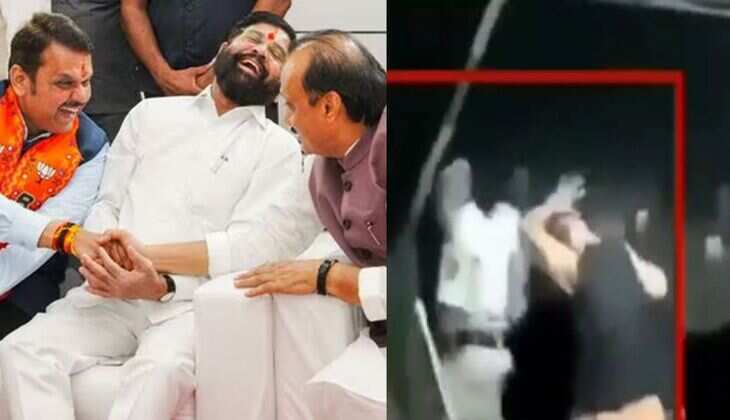
The Maharashtra Assembly Election 2024 is witnessing a heated campaign with #Vote4Mahayuti trending on social media. The Mahayuti alliance, led by the Bharatiya Janata Party (BJP), Shiv Sena (Shinde faction), and the Nationalist Congress Party (Ajit Pawar faction), has been promoting its message of development and stability. However, a resurfaced video of the 2020 Palghar Sadhu lynching incident has stirred controversy, with critics questioning whether Hindu sentiments are being leveraged to influence voters.
What is the Mahayuti Alliance?
The Maha Yuti, or Grand Alliance, is a political coalition formed in 2014. Currently, it includes:
- Major Partners: BJP, Shiv Sena (2022–present, Shinde faction), and NCP (Ajit Pawar faction).
- Smaller Allies: Republican Party of India (Athawale), Rashtriya Samaj Paksha, and others.
The alliance aims to secure a majority in the 288-seat Maharashtra Assembly by presenting itself as a united front for governance and development.
Palghar Sadhu Lynching Incident: What Happened?
On April 16, 2020, during the COVID-19 lockdown, two Hindu sadhus—70-year-old Kalpavriksha Giri and 35-year-old Sushil Giri—and their driver Nilesh Telgade were lynched by a mob in Gadchinchle village, Palghar district.
Key Details of the Incident:
- Rumors Triggered Violence: Misinformation about thieves operating in the area led villagers to attack the sadhus and their driver, mistaking them for criminals.
- Attack on Police: Police officers attempting to intervene were also attacked, leaving several injured.
- Arrests Made: Maharashtra Police arrested 115 villagers for their involvement.
- No Communal Angle: Maharashtra’s then-Home Minister, Anil Deshmukh, clarified that none of the accused were Muslims, countering rumors of communal motives.
The lynching shocked the nation, leading to debates over law enforcement, misinformation, and communal harmony.
Why is the Palghar Incident Resurfacing Now?
As #Vote4Mahayuti trends on Twitter, the resurfacing of the Palghar lynching video has sparked debates over its timing and intent. Social media users sharing the video are appealing to voters to “think before voting,” suggesting a deliberate attempt to invoke Hindu sentiments.
The BJP, often seen as a Hindu-supporting party, is facing questions about whether the incident is being used to consolidate the Hindu vote bank. Critics argue that reviving the Palghar incident during elections could polarize voters and divert attention from developmental issues.
Remember this #Maharashtra Hindus before voting.
— Tathvam-asi (@ssaratht) November 19, 2024
This is what you will get if you vote for #MahaVikasAghadi #Vote4BJP #Vote4MahaYuti
pic.twitter.com/I4TZyCjQgT
Mahayuti’s Position and Opposition’s Criticism
Support for Mahayuti
Supporters of the Mahayuti alliance argue that the coalition represents strong governance and is committed to protecting cultural and religious values.
Opposition Criticism
The opposition Maha Vikas Aghadi (MVA), comprising Congress, Shiv Sena (Uddhav Thackeray faction), and NCP (Sharad Pawar faction), accuses the BJP of using emotional issues like the Palghar lynching to distract from governance failures.
Impact of the Viral Video on Voters
The viral video is expected to have a mixed impact on the elections:
- Mobilizing Hindu Sentiments: For some voters, the incident may serve as a reminder of perceived threats to religious harmony, influencing them to support the Mahayuti alliance.
- Backlash Against Emotional Politics: Others may view it as a politically motivated attempt to divert attention from pressing issues like unemployment, inflation, and infrastructure development.
Hindu Sentiments and Electoral Strategies
The resurfacing of the Palghar video highlights a recurring trend in Indian politics where religious sentiments are invoked during elections. While such strategies often consolidate voter bases, they also risk alienating those who prioritize developmental issues over identity politics.