
Why Shiva Is Offered Water: The Connection to Samudra Manthan and Mahakumbh
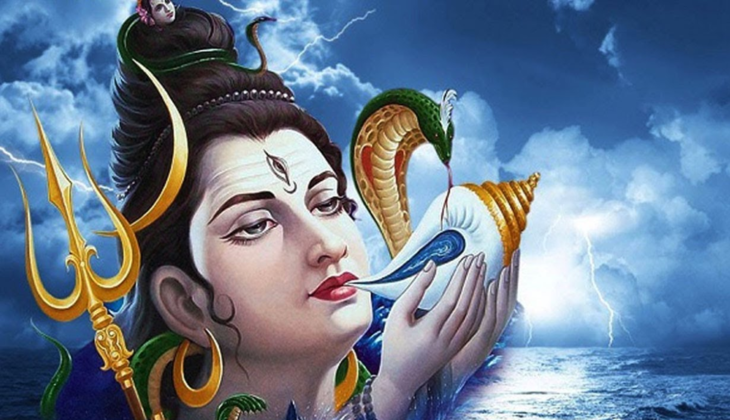
Why Shiva Is Offered Water: The tradition of offering water to Lord Shiva has deep roots in Hindu mythology, closely linked to the legendary Samudra Manthan (churning of the ocean). This ancient tale also forms the foundation of the Mahakumbh Mela, a grand spiritual gathering celebrated at the confluence of rivers like the Ganga, Yamuna, and the mythical Saraswati in Prayagraj, Uttar Pradesh.
The Legend of Samudra Manthan
According to mythology, the Samudra Manthan was performed by gods (devas) and demons (asuras) to extract amrita (nectar of immortality) from the ocean. Mount Mandara served as the churning rod, and Vasuki, the serpent, became the rope. To stabilize the mountain, Lord Vishnu incarnated as a tortoise (Kurma Avatar) and supported it on his back.
The churning released several treasures, but the first substance to emerge was the deadly halahal (poison). The poison threatened to destroy all life, and neither gods nor demons dared to handle it.
Why Shiva Drank the Poison

Lord Shiva, the supreme yogi and protector, stepped forward to save the world. He drank the poison but held it in his throat to prevent its harmful effects. This act turned his throat blue, earning him the name Neelkanth (the blue-throated one).
As the poison burned within him, the gods performed abhisheka (anointment) with water to cool him. This marked the beginning of the tradition of offering water to Lord Shiva. Substances like milk, curd, ghee, dhatura, and bhang—all known for their cooling properties—are also offered to him.
Connection to Mahakumbh
The Mahakumbh Mela, held every 12 years, commemorates the search for amrita during the Samudra Manthan. Mythology states that a few drops of nectar fell at Prayagraj during the celestial battle for the amrita, making the site sacred. Devotees believe bathing at the Sangam (confluence) during the Mahakumbh purifies the soul and grants liberation.
Treasures of the Samudra Manthan
The churning of the ocean yielded 14 treasures, including the halahal poison, Kamdhenu cow, Kalpavriksha tree, Lakshmi (goddess of wealth), Varuni (divine liquor), and Dhanvantari (the god of Ayurveda). The most coveted was the amrita, which led to the iconic Mahakumbh celebrations.
