
From Florida To Alaska: America's Territorial Acquisitions Over 222 Years and Their Costs

From Florida To Alaska: Over the past 222 years, the United States has expanded its territory significantly, acquiring lands from various countries and regions. This article explores the major land purchases made by America, the costs involved, and recent political developments regarding potential new acquisitions.
Recent Attempt to Acquire Greenland
Former President Donald Trump recently expressed interest in acquiring Greenland, a territory currently under Danish sovereignty. Although territorial acquisitions are not new for the U.S., Trump's proposal has stirred controversy. Danish and Greenlandic leaders have strongly opposed the idea, emphasizing Greenland's autonomy and rejecting any attempts at annexation. Trump's son, Donald Trump Jr., visited Greenland, further fueling speculation about the administration's intentions.
Historical Territorial Acquisitions by the United States
The United States has a long history of expanding its territory through purchases, treaties, and annexations. Here are some of the most significant acquisitions:
19th Century: The Louisiana Purchase
In 1803, the U.S. purchased the Louisiana Territory from France for approximately $15 million, which equates to about 2 cents per acre. This acquisition doubled the size of the young nation, adding 827,000 square miles of land that now comprise parts of 12 states, including Oklahoma, Arkansas, Kansas, Nebraska, Missouri, and Iowa.
The Purchase of Alaska
One of the most significant and often debated acquisitions, Alaska was purchased from Russia in 1867 for $7.2 million. This deal, known as "Seward's Folly" at the time, added 586,412 square miles to the United States. Adjusted for inflation, the cost is approximately $125 million today. Alaska's vast natural resources and strategic location have made it a valuable asset for the U.S.
Annexation of Hawaii
In 1898, following the Spanish-American War, the United States annexed Hawaii for $40 million. Hawaii became a crucial strategic location for the U.S. military and trade, eventually becoming the 50th state in 1959.
20th Century Territorial Acquisitions
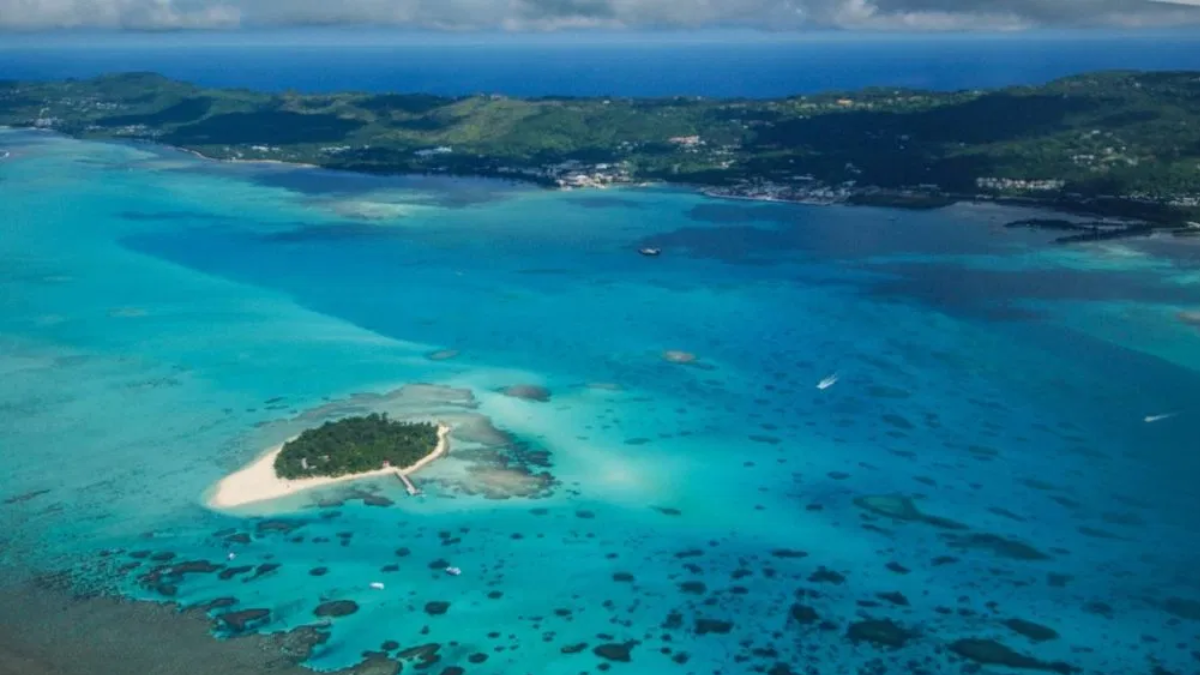
In 1975, the United States took control of the Northern Mariana Islands, a group of islands in the Pacific Ocean. This acquisition followed World War II and has strategic importance for military and economic reasons.
Virgin Islands
The U.S. acquired the Virgin Islands from Denmark in 1917 for $25 million in gold. This territory, located in the Caribbean, provides strategic advantages due to its proximity to the Panama Canal and the eastern seaboard of the United States.
Other Notable Acquisitions
After the Spanish-American War in 1898, the Treaty of Paris transferred Puerto Rico from Spain to the United States. This acquisition was part of the broader expansion of American influence in the Caribbean and Pacific regions.
Guam
Guam was also acquired by the United States in 1898 as a result of the Spanish-American War. It remains a vital U.S. territory in the Pacific, serving as a strategic military base.
America's Largest Land Purchase: Alaska
The Alaska Purchase remains the largest territorial acquisition in American history. Covering over 586,000 square miles, it provided the United States with extensive natural resources, including oil, gas, and minerals, which have been pivotal for economic growth and national security.
Current Political Context and Future Acquisitions
While territorial acquisitions are less common in the modern era, recent political statements suggest that discussions about expanding American territory are still ongoing. Trump's interest in Greenland represents the latest instance of such discussions, although it faces significant opposition from international and local leaders.
