
Israel-Hamas War: Why is Israel Preserving Sperm of Fallen Soldiers? The Reason Behind the Initiative
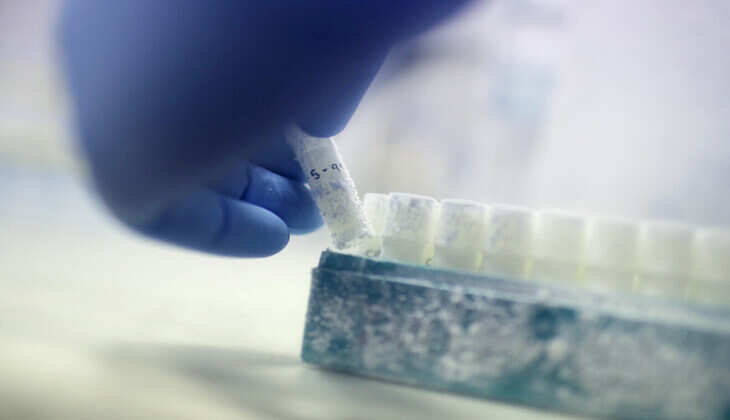
In the ongoing conflict between Israel and Hamas, over 40,000 lives have been lost, including more than 700 Israeli soldiers. Amidst this devastation, the Israeli government has initiated a process to preserve the sperm of fallen soldiers. To date, sperm from 170 Israeli soldiers and civilians has been collected. This raises the question: why is the Israeli government taking this step?
The Purpose Behind Sperm Retrieval
The primary reason for retrieving sperm from soldiers and civilians who have died in the conflict is to enable the possibility of future offspring. According to a report by The Times of Israel, when a soldier dies, the army promptly informs the family and asks if they wish to retrieve the sperm. If the family consents, the sperm is collected. The number of families opting for sperm retrieval has significantly increased in recent months.
Women Stepping Forward to Bear Soldiers’ Children
Initially, many families were unsure of what to do with the preserved sperm, particularly since many of the deceased soldiers were young and unmarried, with no partners. However, a campaign has emerged over the past few months encouraging the use of this sperm to create new life. This campaign has led to greater acceptance of the practice, with numerous women and girls volunteering to bear the children of fallen soldiers.
How is Sperm Retrieved Posthumously?
According to a BBC report, the process of retrieving sperm after death involves making an incision in the deceased's testicles and extracting a small sample of cells. These cells contain living sperm, which are then frozen in a lab. This procedure must be completed within 24 hours of death to ensure the viability of the sperm for future use.
The Growing Trend and Its Implications
The initiative to preserve sperm from fallen soldiers reflects a unique approach to legacy and life after death. It offers families a way to continue the lineage of their loved ones and honors the memory of those who have sacrificed their lives. As this practice becomes more widely accepted, it also highlights the evolving perspectives on reproductive technology and its role in contemporary society.
In summary, the preservation of sperm from deceased soldiers and civilians in Israel is a growing trend aimed at providing a means to create new life and honor those lost in conflict. With increasing acceptance and participation, this initiative underscores the profound ways in which technology intersects with personal and national narratives of loss and legacy.
