
TVN Insights: Delhi Gymkhana Case
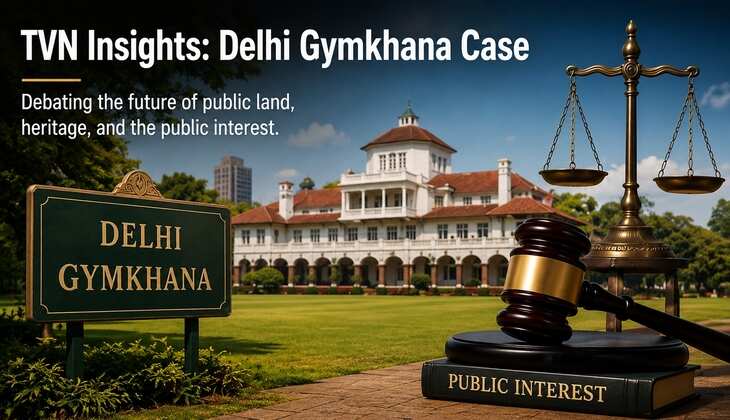
The Delhi Gymkhana Club, one of India's oldest and most prestigious institutions, has found itself at the centre of a legal and political dispute after the Centre moved to take over its management, citing alleged irregularities and public interest concerns. The case has triggered a wider debate over the future of heritage institutions that occupy prime government-owned land under decades-old lease agreements.
The Delhi Gymkhana case is much more than a dispute involving an exclusive club. At its heart lies a larger debate about how India's most valuable public land should be used and whether long-standing institutions should continue to enjoy special access simply because of their history.
For decades, clubs like Delhi Gymkhana have occupied government-owned land under lease arrangements that date back to another era. As cities expand and the demand for public infrastructure grows, governments are increasingly reassessing whether these arrangements continue to serve the public interest.
The Centre's action reflects this changing approach. Public land is now being viewed not just as a valuable asset, but as a resource that must deliver the greatest benefit to society. At the same time, the case raises an important question about preserving institutions that are part of India's historical and cultural landscape.
While the courts will decide the legal outcome, the wider significance of the case goes beyond one club. It could shape the way governments balance heritage with public need and determine whether legacy alone remains a valid reason to retain access to public property.