
India to Decide on Steelmaking Raw Material Import Restrictions Soon
India is nearing a decision on whether to restrict metallurgical coke imports, crucial for steelmaking. The proposed measure seeks to safeguard domestic suppliers but has faced opposition from steelmakers like JSW Steel and ArcelorMittal. The final decision is pending.
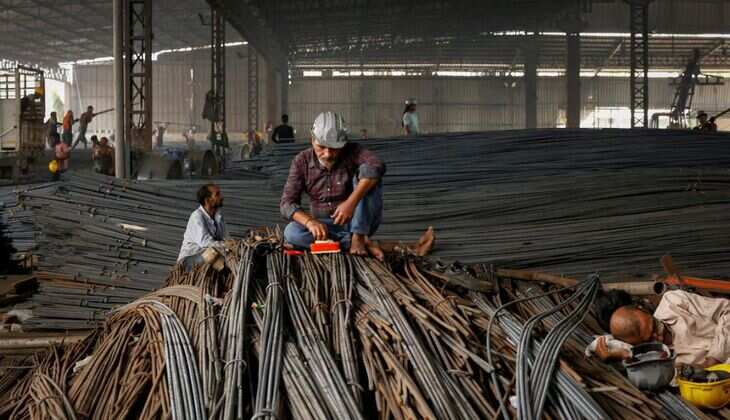
India is poised to make a crucial decision regarding the import of metallurgical coke, a key raw material for steel production, which could significantly impact the country’s steel industry. The decision, which has been long anticipated, is expected to arrive soon, as the government weighs the options for imposing import restrictions on this vital ingredient.
Metallurgical coke, also known as met coke, is essential for steelmaking, and India, being the world’s second-largest producer of crude steel, relies heavily on this material. The decision is of utmost importance for the Indian steel industry and has sparked significant debates among stakeholders.
Why is India Considering Restrictions on Metallurgical Coke Imports?
India proposed a plan in April 2024 to curb imports of metallurgical coke by implementing country-specific quotas. The proposed quotas aim to limit the annual imports of met coke to 2.85 million metric tons for one year. This move was primarily designed to protect domestic met coke producers, who have seen rising competition from foreign suppliers.
India’s Directorate General of Trade Remedies (DGTR) has expressed concerns that rising imports of metallurgical coke—up more than 61% over the past four years—could undermine the ability of local producers to compete effectively in the market. By imposing import restrictions, the government seeks to bolster local production and ensure that Indian steel manufacturers can rely on domestic supplies.
Industry Opposition to the Import Restrictions
However, the proposal to limit met coke imports has been met with resistance from some of India’s largest steelmakers, including JSW Steel and ArcelorMittal Nippon Steel. These companies argue that imposing restrictions on metallurgical coke imports will hurt steel production, leading to higher input costs and potential production bottlenecks.
JSW Steel and other major players in the industry are concerned that limiting met coke availability could lead to a shortage of raw materials, which may directly impact steel output. The steel industry, which is critical to India's economic growth, has made its case to the government, emphasizing the need for a balanced approach that does not disrupt the supply chain.
What is the Government’s Plan for Metallurgical Coke Import Quotas?
The trade ministry’s proposal includes setting specific quotas on imports from major suppliers like China, Japan, Indonesia, Poland, and Switzerland. The aim is to curb the rise in met coke imports, which have surged over the past few years.
The proposed quotas are designed to protect local met coke producers, ensuring that they can meet the growing demand from India’s booming steel industry. However, the government’s efforts to safeguard domestic suppliers have been complicated by the strong opposition from the steelmakers who rely on imported met coke to maintain their production levels.
The final decision is now with the Ministry of Trade, which is expected to announce its verdict in the coming weeks. The decision could have far-reaching implications for both the steel industry and the broader Indian economy.
The Impact of Import Restrictions on India’s Steel Production
India's steel industry plays a critical role in the country's economic growth. As the second-largest producer of crude steel globally, any disruption in the supply of key raw materials like metallurgical coke could significantly affect the sector's performance.
Steel production in India is closely linked to the availability of low-cost met coke. If import restrictions are imposed, steelmakers may face higher production costs, which could lead to increased prices for steel products. This could affect the competitiveness of Indian steel in the global market and raise concerns about inflationary pressures on domestic steel prices.
While protecting local producers is a noble goal, the government will need to carefully balance this with the needs of the steel industry to ensure that any restrictions do not hinder overall production capabilities.
What’s Next for India’s Steel Industry?
The Ministry of Trade has been consulting with stakeholders in the steel sector and met coke industry to finalize the proposed restrictions. The consultations have now concluded, and the trade ministry is expected to make a decision soon.
In addition to the immediate impact on metallurgical coke imports, the decision will likely serve as a bellwether for future policy changes in the steel and raw materials sector. With India’s steel industry poised to continue its growth trajectory, the government will need to ensure that its decisions do not stifle innovation or competitiveness in this critical industry.
Also Read: EPFO Provident Fund Withdrawals via ATMs Coming Soon