
Microsoft Cuts 4,800 Jobs as Xbox Restructuring Signals a New Era for the Gaming Industry
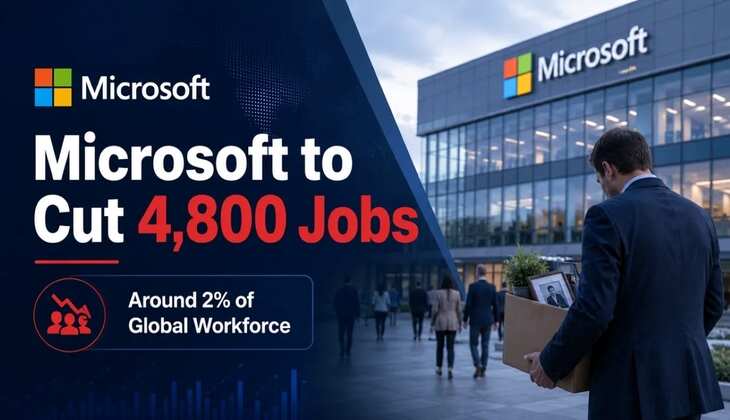
Microsoft has announced another major round of layoffs, eliminating approximately 4,800 jobs as part of a wider restructuring of its gaming business. The move primarily affects the Xbox division and reflects the company's efforts to streamline operations while investing heavily in artificial intelligence and cloud technologies.
The Reasons for Microsoft's Restructuring
Following one of the biggest acquisitions in the history of the industry, Microsoft is still integrating Activision Blizzard into its gaming ecosystem, which is why there are layoffs.
The business is assessing its development pipeline, combining teams that overlap, and allocating resources to initiatives that support its long-term goals.
AI Is Shifting Business Priorities
Businesses in the IT sector are increasing their investments in cloud infrastructure, automation, and artificial intelligence. This also applies to Microsoft.
According to industry observers, companies are rapidly cutting spending in traditional divisions while developing AI capabilities, which are anticipated to fuel future development.
Effects on the Gaming Sector
The most recent layoffs are part of an increasing trend in the worldwide gaming industry. Despite high customer demand, a number of studios have shrunk as a result of growing production costs and shifting corporate priorities.
The reorganisation is anticipated to have an impact on game development as well, with AI becoming more prevalent in coding, testing, and content production.
What It Signifies for Workers
The announcement serves as yet another warning to thousands of workers of the unpredictability of the technology sector. Many businesses are restructuring to increase efficiency and stay competitive in a market that is becoming more and more AI-driven, even as they continue to report strong revenues.
TVN Insight
A defining trend in the IT industry is highlighted by Microsoft's most recent reorganisation. Corporate priorities, investment strategies, and employment patterns are changing as a result of the race to control artificial intelligence. Making sure that innovation produces long-term possibilities rather than displacing qualified workers will be the most difficult task in the future.