
Starlink vs Jio: A Battle of Innovation and Affordability in India’s Internet Market - Read Now
Mukesh Ambani’s Jio is set to retain its lead in India’s internet market, despite Elon Musk’s Starlink launch. With Jio’s affordable pricing and extensive network, Starlink’s high tariffs may struggle to attract Indian consumers. Find out why Jio remains India’s top ISP.
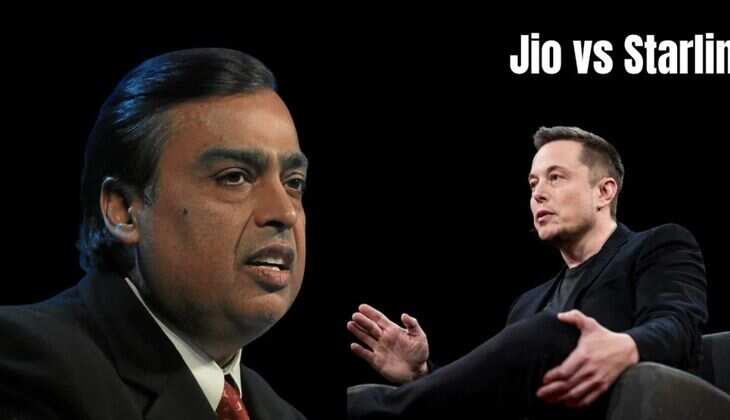
Elon Musk’s Starlink, the satellite internet service that promises to revolutionize connectivity in rural and remote areas, is set to launch in India. But with the mighty Reliance Jio already dominating the Indian internet market, will Starlink’s arrival be enough to challenge Jio’s grip? The answer may lie in one simple factor: pricing.
Starlink's High Tariffs Could Limit Its Reach in India
Starlink’s pricing structure in India is expected to be much higher than what Indian consumers are used to. Early reports suggest that the first year of Starlink service will cost around Rs 1,58,000, including the device and taxes, with the second year dropping to Rs 1,15,000 (excluding service fees). Monthly service fees are expected to be Rs 7,425, with the device itself costing Rs 37,400.
These prices could be prohibitive for most consumers in India, where affordability is a key factor in choosing internet services. In comparison, Reliance Jio offers a 30 Mbps unlimited data plan for just Rs 399 per month, making it a clear winner when it comes to value for money. For India’s price-conscious middle class, Jio’s unbeatable pricing is hard to ignore.
Reliance Jio: The Giant in India’s Telecom Industry
Reliance Jio, led by Mukesh Ambani, has already secured its place as the dominant player in India’s internet market. Thanks to its aggressive pricing and widespread network coverage, Jio has captured millions of users across the country. With plans like its Rs 399 per month Jio Fiber offering, Jio has made high-speed internet accessible to a broad swath of India’s population.
The competition for Starlink will be steep. Jio’s vast network of infrastructure and its ability to provide reliable internet in both urban and rural areas give it a significant advantage. While Starlink promises high-speed satellite internet in remote regions, its high pricing could limit its appeal to a niche audience.
Starlink Faces Regulatory and Infrastructure Hurdles
Starlink will also have to navigate India’s complex regulatory landscape. The Telecom Regulatory Authority of India (TRAI) has yet to finalize the pricing for spectrum allocation, and any increase in spectrum costs could push Starlink’s prices even higher. Additionally, Starlink will need to comply with local data security and storage regulations, which could delay its roll-out and add to operational costs.
Even with its promise of satellite-based internet, Starlink will face challenges in building the infrastructure necessary to compete with Jio’s established network. Jio’s reach across the country, particularly in urban and suburban areas, will be hard to replicate.
The Future of Starlink and Jio in India: A Question of Affordability and Innovation
The future of Starlink in India depends on whether it can reduce its pricing to compete with Jio’s affordable plans. If Starlink can offer a service that justifies its higher costs, it might capture a niche market. However, Jio’s affordability, vast network, and commitment to innovation position it to remain the dominant player in India’s internet market.
For now, Reliance Jio’s leadership is unlikely to be threatened, and unless Starlink can find a way to bring down its prices or offer unmatched value, it may struggle to make a significant impact in India.