
Exam Leaks: India's New Epidemic
The Maharashtra TET paper leak is the latest reminder of a growing crisis in India's examination system. Beyond delaying one test, repeated exam leaks are eroding public trust, affecting millions of students, and exposing weaknesses in examination security. The article examines why such leaks continue despite repeated controversies, explores lessons from China and Japan, and argues that stronger accountability, better technology, and institutional reforms are essential to restore faith in merit-based examinations.
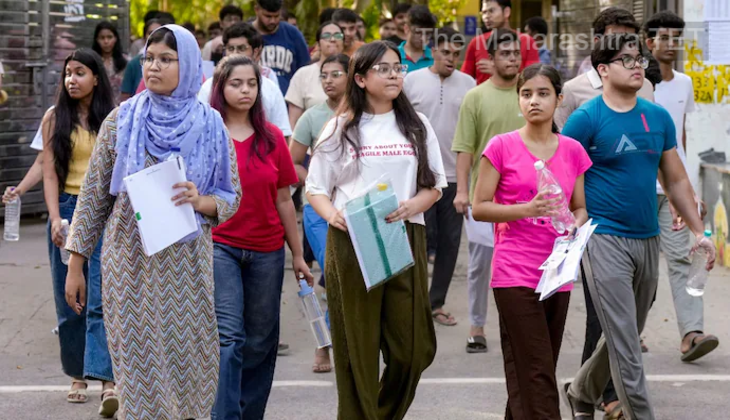
What the Maharashtra TET Leak Says About India's Examination System
The postponement of the Maharashtra Teacher Eligibility Test (MAHA TET) following an alleged question paper leak is more than just another examination controversy. It reflects a larger challenge that has quietly grown across India's competitive examination system. From NEET to recruitment examinations and now MAHA TET, paper leaks have become frequent enough to raise concerns about whether the country's examination process is keeping pace with the scale and complexity of modern testing.
The issue is no longer about one leaked paper. It is about protecting public confidence in a system that determines the future of millions of young Indians.
A Crisis of Trust
Competitive examinations are built on a simple principle that every candidate should compete under equal conditions. When a paper is leaked, that principle is compromised.
For students, the consequences go beyond a postponed examination. Months, and often years, of preparation are suddenly overshadowed by uncertainty. Many candidates invest significant amounts in coaching, application fees, travel and accommodation. A cancelled examination means additional financial costs, emotional stress and delayed career opportunities.
Perhaps the greatest loss is trust. When examination controversies become frequent, candidates begin to question whether merit alone is enough. Even if only a small number benefit from unfair means, every honest student starts to wonder whether the system can truly guarantee fairness.
Why Does the Problem Persist?
India conducts one of the largest examination systems in the world. Every year, millions of candidates appear for entrance tests, recruitment examinations and eligibility assessments. Before reaching examination centres, question papers move through several stages including preparation, printing, transportation, storage and distribution.
Each stage requires strict confidentiality. The larger the process becomes, the greater the challenge of protecting it.
The high value attached to competitive examinations has also created strong incentives for organised criminal networks. For many families, a government job or admission into a prestigious institution can transform their future. This demand has created an illegal market where leaked papers are treated as valuable commodities.
Technology has added another layer of complexity. A document that once required physical access can now be shared across hundreds of devices within minutes. This makes prevention far more important than responding after a leak has already occurred.
Lessons from China and Japan
Several countries have adopted practices that can offer useful lessons without suggesting that India should simply copy their systems.
China treats major public examinations as matters of national importance. During the annual Gaokao, authorities use biometric verification, surveillance systems, secure transportation, signal jammers and strict monitoring throughout the examination process. The emphasis is on preventing breaches before they occur rather than managing the consequences afterwards.
Japan follows a different approach. Its examination system is known for disciplined administrative procedures, limited access to confidential material and clearly defined responsibility at every stage. Public trust is maintained not only through technology but through strong institutional accountability and a culture that places high value on professional responsibility.
The common lesson from both countries is that examination security is not achieved through technology alone. It depends equally on efficient institutions, careful planning and consistent accountability.
The Way Forward
India's examination system is unique in both its scale and diversity, making direct comparisons difficult. However, there is clear scope for strengthening existing processes.
Greater use of digital tracking for confidential material, independent security audits before major examinations, shorter timelines between printing and testing, and faster investigation of examination fraud can help reduce vulnerabilities. Accountability should also extend beyond those directly involved in leaks to include institutions responsible for maintaining examination security.
The Maharashtra TET controversy should therefore be viewed as more than an isolated incident. It is an opportunity to reassess whether existing safeguards are adequate for an examination system that serves millions of candidates every year.
Competitive examinations remain one of the most important gateways to education and employment in India. Protecting their credibility is not only about preventing paper leaks. It is about ensuring that every candidate continues to believe that hard work, preparation and merit remain the foundation of opportunity.