
Mango Mania: The Fruit That Is Synonymous with Indian Summers
There are few things that define an Indian summer as vividly as the arrival of mangoes. Before air conditioners became common and long before social media began documenting seasonal trends, mangoes were already the highlight of the hottest months of the year. Their arrival signalled not just a change in weather but also the beginning of family gatherings, festive meals and a season that millions eagerly wait for.
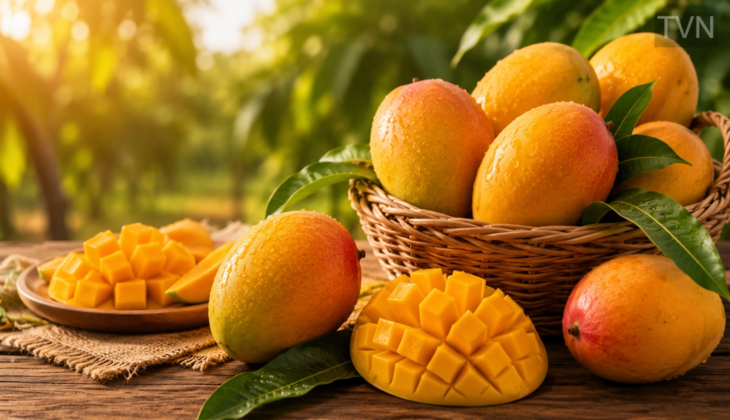
Known as the "King of Fruits," the mango occupies a unique place in India's culture, cuisine and economy. From bustling fruit markets to roadside stalls and village orchards, the summer harvest transforms the country into a celebration of colour, aroma and flavour.
A Fruit with a Rich History
The mango has been cultivated in the Indian subcontinent for more than 4,000 years. Ancient texts, folklore and paintings often mention the fruit as a symbol of prosperity, love and abundance. Mughal emperors were particularly fond of mangoes, with Emperor Akbar famously planting the Lakhi Bagh, an orchard said to contain over 100,000 mango trees.
Over centuries, the fruit has become deeply intertwined with Indian traditions. Mango leaves decorate entrances during festivals and weddings, while the fruit itself is offered in religious ceremonies and shared as a gesture of hospitality.
A Nation of Endless Varieties
India is the world's largest producer of mangoes, accounting for nearly half of global production. Yet what truly sets the country apart is the incredible diversity of its varieties.
The Alphonso from Maharashtra is celebrated for its rich sweetness and creamy texture. Uttar Pradesh's Dasheri is loved for its fragrant pulp, while Gujarat's Kesar is known for its vibrant colour. The Langra from Varanasi, Banganapalli from Andhra Pradesh, Himsagar from West Bengal and Malda from Bihar each have their own loyal following.
For many Indians, summer also sparks friendly debates over which variety deserves the title of the country's finest mango.
More Than Just a Fruit
Mangoes are woven into Indian cuisine in countless ways.
They are enjoyed fresh, blended into milkshakes and smoothies, transformed into desserts, or paired with sticky rice and ice cream. Raw mangoes become tangy pickles, refreshing aam panna, spicy chutneys and regional curries that offer relief from the scorching heat.
Every region has its own recipes, making mangoes one of the few ingredients that unite India's diverse culinary traditions.
A Lifeline for Farmers
Beyond their cultural appeal, mangoes play an important economic role. Millions of farmers depend on mango cultivation for their livelihoods, while the fruit supports traders, transporters, exporters and food processing industries across the country.
India exports premium varieties to markets in the Middle East, Europe, the United States and Southeast Asia, where demand for Indian mangoes continues to grow. Good harvests bring prosperity to farming communities, while unpredictable weather and climate change remain constant challenges.
The Science Behind the Sweetness
Apart from their irresistible taste, mangoes are packed with nutrients. They are rich in vitamins A and C, antioxidants, dietary fibre and natural sugars that provide energy during the hot summer months.
Nutritionists recommend enjoying mangoes in moderation, especially for people monitoring their sugar intake, but there is little doubt that the fruit can be part of a healthy, balanced diet.
Why Mangoes Define Indian Summers
Every season has its signature, but in India, summer belongs to the mango. It is one of the few fruits capable of bringing together generations around a dining table, inspiring recipes passed down through families and creating memories that last long after the season ends.
Whether bought from a neighbourhood fruit seller, picked fresh from an orchard or enjoyed as a homemade dessert, mangoes are much more than a seasonal delicacy. They are a celebration of India's agricultural richness, culinary diversity and cultural heritage.
As temperatures soar each year, the arrival of mangoes offers a simple reminder that even the hottest Indian summer comes with its sweetest reward.