
Baba Barfani Melts Just Five Days into the Amarnath Yatra. What Caused It?
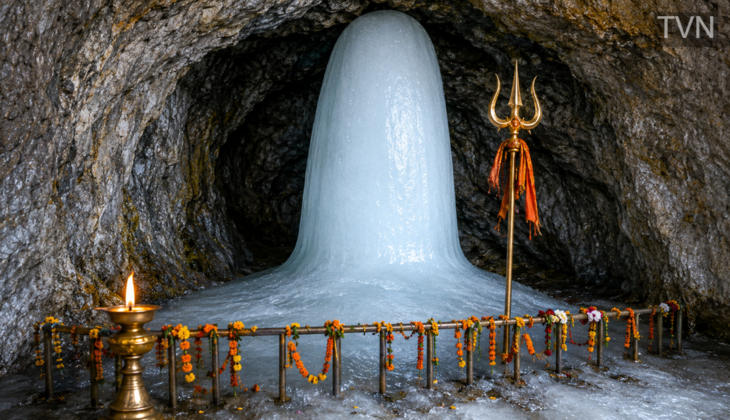
The naturally formed ice Shivling, popularly known as Baba Barfani, has melted just five days after the start of this year's Amarnath Yatra. The early melting has left many devotees disappointed and has once again raised questions about whether climate change, weather conditions, or human activity are affecting one of Hinduism's most sacred pilgrimage sites.
The Shri Amarnath Shrine Board has assured devotees that the pilgrimage will continue as planned, but the incident has triggered a wider discussion about protecting the holy cave and its fragile environment.
Why Did the Ice Shivling Melt So Early?
Experts say there is no single reason behind the early melting. Warmer temperatures in the Kashmir Valley, changing weather patterns, and reduced snowfall during winter are believed to have played a major role.
At the same time, thousands of pilgrims visit the cave every day during the Yatra. Human presence, lighting, body heat, and other activities inside the cave can also affect the temperature, although experts say these are only contributing factors and not the sole reason.
Is Climate Change Responsible?
Many environmental experts believe climate change is making the Himalayan region warmer. Rising temperatures and unpredictable weather have already affected glaciers, snowfall, and water sources across the mountains.
The early melting of the ice Shivling is being seen by some as another sign of these changing conditions. However, experts also point out that the size of the naturally formed Shivling changes every year depending on snowfall, humidity, and temperature.
Can Anyone Really Be Blamed?
There is no evidence to suggest that one person or one group is responsible for the early melting. Scientists say it is the result of several factors working together, including weather conditions and increasing human activity around the cave.
Instead of blaming individuals, experts say the focus should be on protecting the environment around the shrine and ensuring that the Yatra is managed in a way that reduces its impact on the fragile Himalayan ecosystem.
TVN Insight
The melting of Baba Barfani is not just a religious concern; it is also an environmental reminder. As the number of pilgrims continues to grow every year, the challenge is to strike a balance between faith and conservation.
Whether the cause is climate change, rising temperatures, or the pressure of large crowds, one thing is clear: protecting the Amarnath cave and its surrounding environment will require careful planning and responsible management. Preserving the shrine today will help ensure that future generations can continue this centuries-old pilgrimage with the same sense of devotion.
The naturally formed ice Shivling, popularly known as Baba Barfani, has melted just five days after the start of this year's Amarnath Yatra. The early melting has left many devotees disappointed and has once again raised questions about whether climate change, weather conditions, or human activity are affecting one of Hinduism's most sacred pilgrimage sites.
The Shri Amarnath Shrine Board has assured devotees that the pilgrimage will continue as planned, but the incident has triggered a wider discussion about protecting the holy cave and its fragile environment.
Why Did the Ice Shivling Melt So Early?
Experts say there is no single reason behind the early melting. Warmer temperatures in the Kashmir Valley, changing weather patterns, and reduced snowfall during winter are believed to have played a major role.
At the same time, thousands of pilgrims visit the cave every day during the Yatra. Human presence, lighting, body heat, and other activities inside the cave can also affect the temperature, although experts say these are only contributing factors and not the sole reason.
Is Climate Change Responsible?
Many environmental experts believe climate change is making the Himalayan region warmer. Rising temperatures and unpredictable weather have already affected glaciers, snowfall, and water sources across the mountains.
The early melting of the ice Shivling is being seen by some as another sign of these changing conditions. However, experts also point out that the size of the naturally formed Shivling changes every year depending on snowfall, humidity, and temperature.
Can Anyone Really Be Blamed?
There is no evidence to suggest that one person or one group is responsible for the early melting. Scientists say it is the result of several factors working together, including weather conditions and increasing human activity around the cave.
Instead of blaming individuals, experts say the focus should be on protecting the environment around the shrine and ensuring that the Yatra is managed in a way that reduces its impact on the fragile Himalayan ecosystem.
TVN Insight
The melting of Baba Barfani is not just a religious concern; it is also an environmental reminder. As the number of pilgrims continues to grow every year, the challenge is to strike a balance between faith and conservation.
Whether the cause is climate change, rising temperatures, or the pressure of large crowds, one thing is clear: protecting the Amarnath cave and its surrounding environment will require careful planning and responsible management. Preserving the shrine today will help ensure that future generations can continue this centuries-old pilgrimage with the same sense of devotion.
The naturally formed ice Shivling, popularly known as Baba Barfani, has melted just five days after the start of this year's Amarnath Yatra. The early melting has left many devotees disappointed and has once again raised questions about whether climate change, weather conditions, or human activity are affecting one of Hinduism's most sacred pilgrimage sites.
The Shri Amarnath Shrine Board has assured devotees that the pilgrimage will continue as planned, but the incident has triggered a wider discussion about protecting the holy cave and its fragile environment.
Why Did the Ice Shivling Melt So Early?
Experts say there is no single reason behind the early melting. Warmer temperatures in the Kashmir Valley, changing weather patterns, and reduced snowfall during winter are believed to have played a major role.
At the same time, thousands of pilgrims visit the cave every day during the Yatra. Human presence, lighting, body heat, and other activities inside the cave can also affect the temperature, although experts say these are only contributing factors and not the sole reason.
Is Climate Change Responsible?
Many environmental experts believe climate change is making the Himalayan region warmer. Rising temperatures and unpredictable weather have already affected glaciers, snowfall, and water sources across the mountains.
The early melting of the ice Shivling is being seen by some as another sign of these changing conditions. However, experts also point out that the size of the naturally formed Shivling changes every year depending on snowfall, humidity, and temperature.
Can Anyone Really Be Blamed?
There is no evidence to suggest that one person or one group is responsible for the early melting. Scientists say it is the result of several factors working together, including weather conditions and increasing human activity around the cave.
Instead of blaming individuals, experts say the focus should be on protecting the environment around the shrine and ensuring that the Yatra is managed in a way that reduces its impact on the fragile Himalayan ecosystem.
TVN Insight
The melting of Baba Barfani is not just a religious concern; it is also an environmental reminder. As the number of pilgrims continues to grow every year, the challenge is to strike a balance between faith and conservation.
Whether the cause is climate change, rising temperatures, or the pressure of large crowds, one thing is clear: protecting the Amarnath cave and its surrounding environment will require careful planning and responsible management. Preserving the shrine today will help ensure that future generations can continue this centuries-old pilgrimage with the same sense of devotion.
The naturally formed ice Shivling, popularly known as Baba Barfani, has melted just five days after the start of this year's Amarnath Yatra. The early melting has left many devotees disappointed and has once again raised questions about whether climate change, weather conditions, or human activity are affecting one of Hinduism's most sacred pilgrimage sites.
The Shri Amarnath Shrine Board has assured devotees that the pilgrimage will continue as planned, but the incident has triggered a wider discussion about protecting the holy cave and its fragile environment.
Why Did the Ice Shivling Melt So Early?
Experts say there is no single reason behind the early melting. Warmer temperatures in the Kashmir Valley, changing weather patterns, and reduced snowfall during winter are believed to have played a major role.
At the same time, thousands of pilgrims visit the cave every day during the Yatra. Human presence, lighting, body heat, and other activities inside the cave can also affect the temperature, although experts say these are only contributing factors and not the sole reason.
Is Climate Change Responsible?
Many environmental experts believe climate change is making the Himalayan region warmer. Rising temperatures and unpredictable weather have already affected glaciers, snowfall, and water sources across the mountains.
The early melting of the ice Shivling is being seen by some as another sign of these changing conditions. However, experts also point out that the size of the naturally formed Shivling changes every year depending on snowfall, humidity, and temperature.
Can Anyone Really Be Blamed?
There is no evidence to suggest that one person or one group is responsible for the early melting. Scientists say it is the result of several factors working together, including weather conditions and increasing human activity around the cave.
Instead of blaming individuals, experts say the focus should be on protecting the environment around the shrine and ensuring that the Yatra is managed in a way that reduces its impact on the fragile Himalayan ecosystem.
TVN Insight
The melting of Baba Barfani is not just a religious concern; it is also an environmental reminder. As the number of pilgrims continues to grow every year, the challenge is to strike a balance between faith and conservation.
Whether the cause is climate change, rising temperatures, or the pressure of large crowds, one thing is clear: protecting the Amarnath cave and its surrounding environment will require careful planning and responsible management. Preserving the shrine today will help ensure that future generations can continue this centuries-old pilgrimage with the same sense of devotion.
The naturally formed ice Shivling, popularly known as Baba Barfani, has melted just five days after the start of this year's Amarnath Yatra. The early melting has left many devotees disappointed and has once again raised questions about whether climate change, weather conditions, or human activity are affecting one of Hinduism's most sacred pilgrimage sites.
The Shri Amarnath Shrine Board has assured devotees that the pilgrimage will continue as planned, but the incident has triggered a wider discussion about protecting the holy cave and its fragile environment.
Why Did the Ice Shivling Melt So Early?
Experts say there is no single reason behind the early melting. Warmer temperatures in the Kashmir Valley, changing weather patterns, and reduced snowfall during winter are believed to have played a major role.
At the same time, thousands of pilgrims visit the cave every day during the Yatra. Human presence, lighting, body heat, and other activities inside the cave can also affect the temperature, although experts say these are only contributing factors and not the sole reason.
Is Climate Change Responsible?
Many environmental experts believe climate change is making the Himalayan region warmer. Rising temperatures and unpredictable weather have already affected glaciers, snowfall, and water sources across the mountains.
The early melting of the ice Shivling is being seen by some as another sign of these changing conditions. However, experts also point out that the size of the naturally formed Shivling changes every year depending on snowfall, humidity, and temperature.
Can Anyone Really Be Blamed?
There is no evidence to suggest that one person or one group is responsible for the early melting. Scientists say it is the result of several factors working together, including weather conditions and increasing human activity around the cave.
Instead of blaming individuals, experts say the focus should be on protecting the environment around the shrine and ensuring that the Yatra is managed in a way that reduces its impact on the fragile Himalayan ecosystem.
TVN Insight
The melting of Baba Barfani is not just a religious concern; it is also an environmental reminder. As the number of pilgrims continues to grow every year, the challenge is to strike a balance between faith and conservation.
Whether the cause is climate change, rising temperatures, or the pressure of large crowds, one thing is clear: protecting the Amarnath cave and its surrounding environment will require careful planning and responsible management. Preserving the shrine today will help ensure that future generations can continue this centuries-old pilgrimage with the same sense of devotion.
The naturally formed ice Shivling, popularly known as Baba Barfani, has melted just five days after the start of this year's Amarnath Yatra. The early melting has left many devotees disappointed and has once again raised questions about whether climate change, weather conditions, or human activity are affecting one of Hinduism's most sacred pilgrimage sites.
The Shri Amarnath Shrine Board has assured devotees that the pilgrimage will continue as planned, but the incident has triggered a wider discussion about protecting the holy cave and its fragile environment.
Why Did the Ice Shivling Melt So Early?
Experts say there is no single reason behind the early melting. Warmer temperatures in the Kashmir Valley, changing weather patterns, and reduced snowfall during winter are believed to have played a major role.
At the same time, thousands of pilgrims visit the cave every day during the Yatra. Human presence, lighting, body heat, and other activities inside the cave can also affect the temperature, although experts say these are only contributing factors and not the sole reason.
Is Climate Change Responsible?
Many environmental experts believe climate change is making the Himalayan region warmer. Rising temperatures and unpredictable weather have already affected glaciers, snowfall, and water sources across the mountains.
The early melting of the ice Shivling is being seen by some as another sign of these changing conditions. However, experts also point out that the size of the naturally formed Shivling changes every year depending on snowfall, humidity, and temperature.
Can Anyone Really Be Blamed?
There is no evidence to suggest that one person or one group is responsible for the early melting. Scientists say it is the result of several factors working together, including weather conditions and increasing human activity around the cave.
Instead of blaming individuals, experts say the focus should be on protecting the environment around the shrine and ensuring that the Yatra is managed in a way that reduces its impact on the fragile Himalayan ecosystem.
TVN Insight
The melting of Baba Barfani is not just a religious concern; it is also an environmental reminder. As the number of pilgrims continues to grow every year, the challenge is to strike a balance between faith and conservation.
Whether the cause is climate change, rising temperatures, or the pressure of large crowds, one thing is clear: protecting the Amarnath cave and its surrounding environment will require careful planning and responsible management. Preserving the shrine today will help ensure that future generations can continue this centuries-old pilgrimage with the same sense of devotion.