
BJP’s Bankipur Learning: Lost Narrative Battle To Prashant Kishor
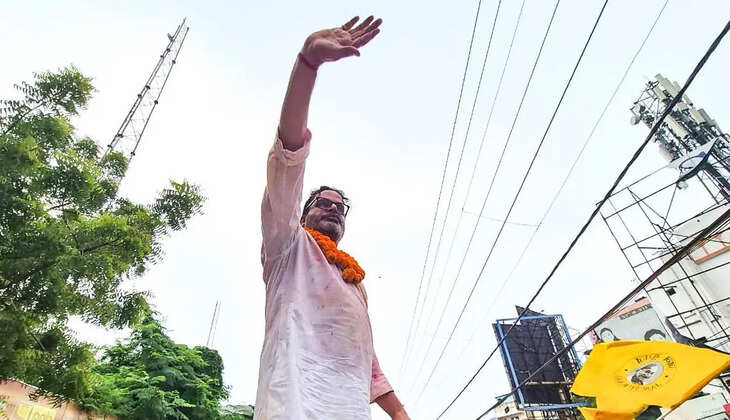
Bankipur, once considered a comfortable seat for the BJP, has now become the centre of a larger political conversation in Bihar. The party's defeat in the Assembly bypoll has prompted discussions not just about electoral arithmetic but about how political narratives can shape voter perception.
While the BJP relied on its organisational strength and established support base, Prashant Kishor and his Jan Suraaj Party managed to dominate the campaign with a focused messaging strategy that resonated with many voters.
The result has reinforced an important lesson for political parties ahead of the Bihar Assembly elections. Winning elections today is not just about booth management or party cadre. It is equally about controlling the conversation and ensuring that voters discuss the issues a party wants to highlight.
A Battle Beyond Votes
The Bankipur contest evolved into more than a traditional electoral battle.
Throughout the campaign, Jan Suraaj attempted to project itself as a fresh political alternative, repeatedly highlighting issues such as unemployment, governance, education and local development.
The campaign was designed to present Prashant Kishor not merely as a strategist but as a leader capable of challenging established political forces.
Instead of allowing the BJP to dictate the election narrative, Jan Suraaj ensured that public discussions remained centred around change and accountability. This gave the campaign momentum, particularly among young voters and first-time electors who have increasingly shown interest in issue-based politics.
BJP's Campaign Faces Narrative Challenge
Political observers believe that the BJP's campaign became more reactive than proactive.
Rather than setting the agenda, the party spent a significant part of the campaign responding to allegations, criticism and issues raised by its opponent.
The BJP continued to rely on its traditional strengths, including its organisational network and long-standing voter base. However, in an election where perception played a major role, those strengths alone were not enough to counter the narrative built by Jan Suraaj.
Several analysts argue that modern elections require parties to maintain a constant communication strategy across both ground campaigns and digital platforms. Bankipur demonstrated that losing the narrative battle can sometimes prove as costly as losing organisational momentum.
Prashant Kishor's Political Test
For Prashant Kishor, the bypoll represented another important milestone in his transition from election strategist to full-time politician.
Having advised multiple political parties over the years, he is now attempting to establish Jan Suraaj as a credible political force in Bihar.
The Bankipur campaign showcased his emphasis on grassroots engagement, direct interaction with voters and issue-based campaigning.
While one electoral victory does not guarantee long-term success, it has undoubtedly strengthened his position ahead of the state's larger political contests.
A Lesson Ahead Of Bihar Elections
The Bankipur result is likely to be studied closely by every major political party in Bihar.
It highlights how voter perception, communication strategy and narrative-building have become central to electoral politics.
As Bihar moves towards future elections, parties may increasingly invest in shaping public opinion through consistent messaging alongside traditional campaign methods.
For the BJP, Bankipur serves as a reminder that electoral success now depends not only on organisational strength but also on winning the battle of ideas and public perception.
