
Centre to Restore Jammu and Kashmir's Statehood; Ladakh Remains a Union Territory
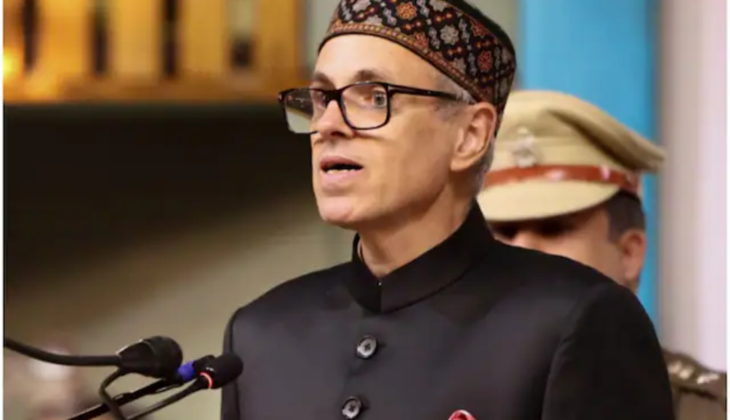
On 23 October, Chief Minister of Jammu and Kashmir Omar Abdullah met Home Minister Amit Shah and on 24 October with Prime Minister Narendra Modi, during which Abdullah demanded restoration of statehood and was given the assurance that it will be done within the year.
Jammu and Kashmir Set to Regain Statehood After Government Assurance
In 2019, Jammu and Kashmir was bifurcated into two Union Territories: Jammu and Kashmir, and Ladakh. The government had promised to restore statehood once conditions normalized. This commitment was reiterated by the Bharatiya Janata Party (BJP) during recent assembly elections.
After the elections, the new cabinet approved a proposal to restore statehood, which was forwarded to Lieutenant Governor (LG) Manoj Sinha. The LG approved the proposal on October 19 and forwarded it to the Home Ministry for further action.
The state would be regained in its full shape only by parliamentary legislation amending the Jammu and Kashmir Reorganization Act of 2019 with the concurrence of both the Lok Sabha and Rajya Sabha and afterwards with getting the President's assent. When the President gives notification, then the statehood would be revived to Jammu and Kashmir.
This revival process has made some new changes:
Also Read ED Raids in Jaipur Diljit Dosanjh's Concert, Uncovers Money Laundering Evidence
1. The police and law enforcing agencies would come under the state government.
2. It will gain control over land, revenue, and related enactments.
3. The Governor will have no direct say in state affairs.
4. It will gain greater financial autonomy from the central government and it will receive all sorts of support from the Finance Commission.
5. It will enjoy legislative authority on public order and no Governor's consent will be required for its financial bills.
6. It will take away control over the Anti-Corruption Bureau and official transfers from the central government.
7. It shall make all the rights in concern of trade, tax and commerce vested within the state government.
In addition, it will increase ministers with 15 percent which facilitates flexibility at the governance in addition to the winning promise of an election.