
Supreme Court Dismisses Plea Seeking WhatsApp Ban in India
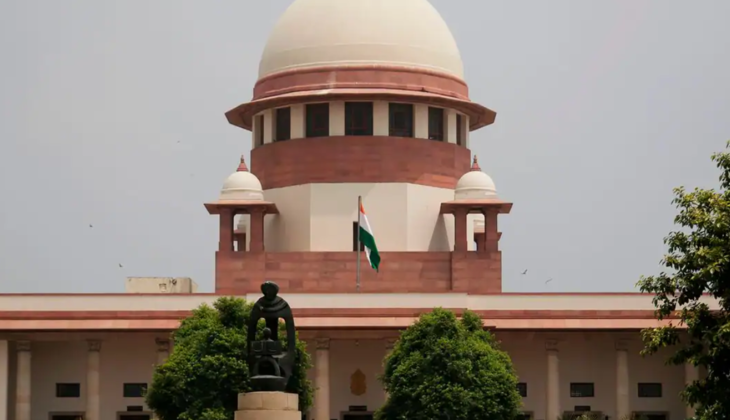
On Thursday, the Supreme Court dismissed a Public Interest Litigation or PIL seeking a writ mandamus to the Central Government demanding a ban on WhatsApp in India, if it did not comply with the government. The PIL was filed by Omanakuttan KG, a software engineer from Kerala. The bench, comprising Justices M M Sundresh and Aravind Kumar said that it was not inclined to entertain the petition.
Supreme Court Rejects PIL to Ban WhatsApp
The petitioner pleaded that WhatsApp failed to comply with the **Information Technology (Intermediary Guidelines and Digital Media Ethics Code) Rules, 2021** which mandate compliance with a ministry order towards checking digital content. The PIL further contended that WhatsApp was violating the fundamental rights guaranteed under **Article 21 of the Constitution**, which lays emphasis on the right to privacy and protection of the citizen's interest.
Omanakuttan argued that the encryption technology of WhatsApp and its reluctance to assist Indian authorities posed a danger to national security and public interest. He also claimed that if WhatsApp was not ready to change its technology according to Indian laws, it should not be permitted to conduct business in India. Plea: The plea highlighted that many websites and mobile apps had been banned by the Indian government previously for working against the interest of the nation.
Also Read: MP Deputy Collector Accused of Rape, Police File Case In Bhopal
The court refused to intervene and dismissed the PIL without further deliberation. This order epitomizes the judiciary's stance on balancing fundamental rights with technological inventions and regulatory frameworks. Although the acceptance for the petition proceeded toward the solution of national security and user privacy issues, the Supreme Court's dismissal puts such resolution in the hands of the executive and legislative framework. The current case demonstrates that there is much to be done when it comes to regulating global tech sites while honouring the rights and security of the citizens of India.