
Jagannath Rath Yatra: When the Divine Walks Among Mortals
The Jagannath Rath Yatra is one of India's most revered festivals, symbolising equality, devotion and compassion as Lord Jagannath, Lord Balabhadra and Devi Subhadra leave the temple to bless millions of devotees in Puri.
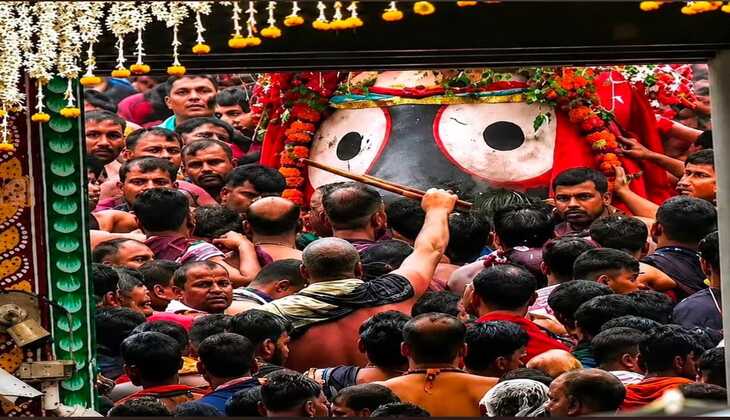
Every year, the holy city of Puri in Odisha becomes the centre of one of the largest religious gatherings in the world. The Jagannath Rath Yatra draws millions of devotees who come to witness a tradition that has been followed for centuries. Unlike most Hindu festivals where people visit the temple to seek blessings,
this festival is unique because Lord Jagannath, along with his elder brother Lord Balabhadra and sister Devi Subhadra, comes out of the temple to meet the people.
For believers, this journey is more than a grand procession. It reflects the idea that God is never far from humanity and that divine blessings are meant for everyone, irrespective of their background or social standing.
A Festival with a Rich Legacy
The Jagannath Rath Yatra has a long and fascinating history. References to the festival can be found in ancient Hindu scriptures, including the Skanda Purana, Padma Purana, and Brahma Purana. Although
historians cannot pinpoint exactly when the tradition began, it has remained one of India's most important religious events for generations.
Celebrated during the Hindu month of Ashadha, usually in June or July, the festival turns Puri into a spiritual hub. Pilgrims from every corner of the country, along with visitors from around the world, gather to be part of this extraordinary occasion.
The Story Behind the Journey
According to tradition, Lord Jagannath, Lord Balabhadra, and Devi Subhadra travel from the Jagannath Temple to the Gundicha Temple, which is believed to be their aunt's home. They remain there for nine days before returning to the main temple during the Bahuda Yatra.
The journey carries a message that goes beyond mythology. It reminds devotees that the divine reaches out to people instead of waiting for people to come. This belief has made the Rath Yatra a symbol of equality, openness, and compassion, where everyone has an equal opportunity to receive blessings.
The Famous Chariots
One of the highlights of the festival is the three enormous wooden chariots that carry the deities through the streets of Puri. These chariots are built from scratch every year using traditional methods that have been
passed down through generations.
Lord Jagannath rides on Nandighosha, which has sixteen wheels. Lord Balabhadra's chariot, Taladhwaja, has fourteen wheels, while Devi Subhadra travels on Darpadalana, which has twelve wheels. Decorated with colourful fabrics and handcrafted details, the chariots become the centre of attention as thousands of devotees pull them together using thick ropes.
For many devotees, taking part in pulling the chariots is considered a deeply spiritual experience and an act of devotion.
A Tradition That Promotes Equality
Among the many rituals associated with the Rath Yatra, one of the most meaningful is the Chhera Pahanra ceremony. Before the procession begins, the Gajapati King of Puri sweeps the chariots with a golden broom.
This centuries-old ritual carries an important message. It shows that no matter how powerful or influential a person may be, everyone stands equal before God. The ceremony continues to remind people that humility is one of the highest forms of devotion.
More Than a Religious Celebration
Over the years, the Jagannath Rath Yatra has become much more than a religious event. It is also a celebration of India's cultural traditions, craftsmanship, and community spirit. Visitors come not only to witness the rituals but also to experience Odisha's rich heritage, music, art, and hospitality.
The festival has also gained global recognition. Rath Yatra celebrations are now organised in several
countries, including the United States, the United Kingdom, Canada, Australia, and many other parts of the world, allowing people from different cultures to witness this unique tradition.
A Festival Built on Collective Effort
Behind the grand celebrations is the hard work of thousands of people. Temple servitors, volunteers, police officials, doctors, sanitation workers, and government authorities work together to manage the massive
gathering and ensure the festival is conducted peacefully.
Their dedication reflects another important lesson of the Rath Yatra that service to society is also a form of worship.
A Timeless Message
The Jagannath Rath Yatra continues to inspire millions because its message is universal. It teaches that faith should unite people rather than divide them. It reminds us that humility, compassion, and equality remain at the heart of true spirituality.
As the towering chariots move through the streets of Puri, pulled by countless hands joined in devotion, the festival becomes more than a religious event. It becomes a living reminder that sometimes the greatest
expression of faith is when the divine steps out to walk among ordinary people, bringing hope, blessings, and a sense of togetherness for all.