
Vantara’s proposed Assam rescue centres draw concern from wildlife conservationists
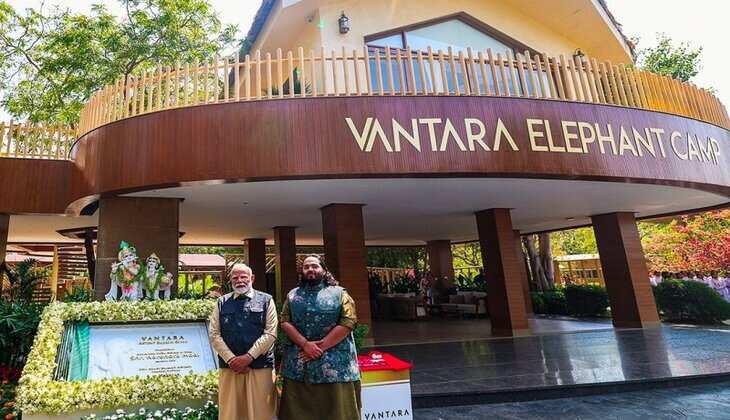
Guwahati: Vantara’s proposal to establish three wildlife rescue and rehabilitation centres in Assam, including a facility dedicated to Asian elephants, has drawn mixed reactions from wildlife conservationists and activists in the state.
The concerns relate to the proposed movement of animals, transparency in wildlife transfers, veterinary facilities and the increasing involvement of private organisations in rescue and rehabilitation activities.
The Reliance-backed wildlife facility based in Jamnagar submitted the proposal to Assam’s Environment, Forest and Climate Change Department in a letter dated August 12. The state Environment and Forest Minister has said that the proposal is currently under examination.
Vantara is operated by Anant Ambani, younger son of industrialist Mukesh Ambani.
Among those questioning the proposal is environment journalist and wildlife activist Mubina Akhtar. She said the state needs to carefully examine the legal and conservation implications of setting up such facilities.
Akhtar pointed out that amendments to India's wildlife laws have brought rescue centres and zoos under the same broad statutory framework, making them subject to prescribed standards relating to housing, hygiene and veterinary care. She referred to Section 2(39) of the Wildlife (Protection) Act, 1972, which includes off-exhibit facilities such as rescue centres and conservation breeding centres within the legal definition of a zoo.
At the same time, she stressed that rescue centres serve a different purpose from conventional zoos.
According to Akhtar, while zoos are generally established for public exhibition of animals, rescue centres are meant for the care, treatment and rehabilitation of animals and are not intended to function as public exhibition facilities.
She also raised questions over access to rescued wildlife and alleged that established norms have sometimes been deviated from.
Akhtar claimed that there have been instances in which privileged individuals, including royalty, ministers and government officials, were given access to rescued animals, while members of the public remained excluded.
She further questioned the manner in which rescued wildlife has allegedly been displayed or taken to private events.
“Private owners or operators do not own rescued animals,” Akhtar said, while expressing concern over what she described as the display or parade of rescued animals at private functions by Vantara.
Based on these concerns and what she described as the facility's track record, Akhtar said she would remain cautious about expanding similar operations into Assam.
Questions over wildlife veterinary infrastructure
Akhtar also argued that Assam should focus on developing its own wildlife veterinary capabilities.
She pointed out that the Assam Forest Department does not have a separate cadre of wildlife veterinarians, which, according to her, can affect the speed of emergency responses involving wild animals.
With a limited number of trained professionals available, she said the existing system faces difficulties in responding to the state's numerous wildlife emergencies.
Assam deals with several conservation challenges, including frequent human-wildlife conflict and emerging wildlife diseases.
Akhtar said a stronger veterinary network is urgently required for the treatment and rescue of wild animals. She expressed concern that many experienced professionals have moved to private wildlife facilities and zoos, including the facility in Jamnagar.
She also cautioned that placing too much responsibility for rescue and rehabilitation in private hands could create differences in operational practices and potentially affect wider conservation priorities.
Instead, she favoured establishing a dedicated cadre of specialised wildlife veterinarians within the Forest Department.
Elephant transfers remain a major concern
The movement of elephants from the Northeast to other parts of India was another major issue raised by Akhtar.
She referred to instances in which male, female and young elephants from Assam and Arunachal Pradesh were reportedly transported to other parts of the country.
Akhtar questioned why some of the elephants moved were reportedly healthy, including several sub-adults, rather than animals requiring urgent medical treatment or rehabilitation.
She also raised concerns over the process through which some elephants were reportedly captured, classified and transferred.
According to her, elephants are wide-ranging animals and moving them from their natural habitats to a geographically and climatically different environment can have serious welfare and conservation implications.
She referred to a case involving 10 elephants described in documents as being “mostly sub-adults” and said they were domesticated and purchased from owners in Chowkham in Namsai district of Arunachal Pradesh by the Radhe Krishna Temple Welfare Trust of Jamnagar.
Akhtar also referred to documents that, according to her, indicated that 152 Asian elephants were already being kept in captivity at Jamnagar.
She questioned the reasons behind moving such a large number of elephants from their natural range in the Northeast to an arid part of Gujarat.
Akhtar said that irrespective of the quality of infrastructure available at a facility, transferring long-ranging species such as elephants and rhinos to a significantly different environment should be justified strictly from a conservation perspective.
She said the concerns surrounding earlier elephant transfers had led conservationists to approach the new Assam proposal with caution.
Activists seek greater transparency
Akhtar also questioned the movement of wildlife from the Northeast to Vantara through animal exchange programmes.
She alleged that exotic animals rescued or seized in the region, along with rare and endemic species from Assam, have been sent to the Jamnagar facility under such programmes.
She further alleged that the Assam State Zoo has become a transit point for wildlife that is illegally traded.
Akhtar called on the Assam government and the state zoo to provide greater information about such transfers.
She demanded that the state zoo publicly disclose the list of animals being transferred from Assam to Vantara.
She also sought a white paper from the state government before it takes a decision on the proposed centres. According to her, such a document should specify the species to be covered, locations of the proposed facilities, infrastructure, operating arrangements and the reasons for involving Vantara.
Activist questions need for another private centre
Wildlife activist Devojit Moran has also opposed the proposal and questioned whether Assam needs another private rescue and rehabilitation facility.
Moran referred to a complaint reportedly filed by a forum of environmental NGOs in South Africa against Vantara and questioned why the Assam government should consider allowing the organisation to establish a facility in the state while it remains under scrutiny.
He also raised the issue of elephants reportedly transported from Assam and Arunachal Pradesh to Vantara.
According to Moran, Assam already has an established wildlife rescue and rehabilitation facility operated by the Wildlife Trust of India in Kaziranga.
He argued that instead of establishing another centre, the government could strengthen existing rescue and rehabilitation infrastructure.
Moran also expressed concern over allegations concerning the movement of animals from Assam to Gujarat and said he opposed the establishment of the proposed Vantara centres in Assam.
Conservationist supports centres with conditions
Not all conservationists have rejected the proposal outright.
Assam-based wildlife conservationist Jayanta Kr Das said rescue and rehabilitation centres could be useful for the state and the Northeast, provided they do not become a route for transferring more wildlife to Gujarat.
Das referred to Vantara's work in wildlife conservation and its development of a large wildlife facility in Gujarat. At the same time, he said concerns have emerged over the transportation of rare wildlife, birds and reptiles from different parts of India to the facility.
He highlighted particular concerns surrounding elephants transported from the Northeast.
Das referred to cases in which wild elephants from Assam were reportedly transported to Arunachal Pradesh and subsequently described as animals belonging to Arunachal Pradesh. He said questions remained over the identification and origin of some of these elephants.
He acknowledged Vantara's contribution to conservation but questioned whether such efforts always come without wider conservation costs.
Das also pointed out that several well-known wildlife experts have joined Vantara, which he said has contributed to the organisation's growing influence within the wildlife conservation sector.
On Assam's proposed centres, however, he said the idea itself could be beneficial if the facilities focus on strengthening wildlife conservation within the Northeast.
He said the proposed establishment of three rescue centres in Assam or the Northeast should generally be welcomed, but added that the activities surrounding Vantara have attracted criticism and require closer scrutiny.
Das expressed concern that the proposed facilities could eventually facilitate the movement of exotic wildlife to Vantara in Gujarat under the stated purpose of treatment or rehabilitation.
His position was therefore to support the proposed centres, but without any further transfer of wildlife from the Northeast to Gujarat.
The debate comes as Assam continues to remain one of India's most important wildlife regions, with significant populations of elephants, rhinoceroses and several other protected species.
With the state government currently examining Vantara's proposal, its eventual decision is expected to receive close attention from wildlife researchers, conservationists and environmental groups across Assam and the Northeast.