
How Effective is the New Cancer Vaccine? Price, Mechanism, and More Explained
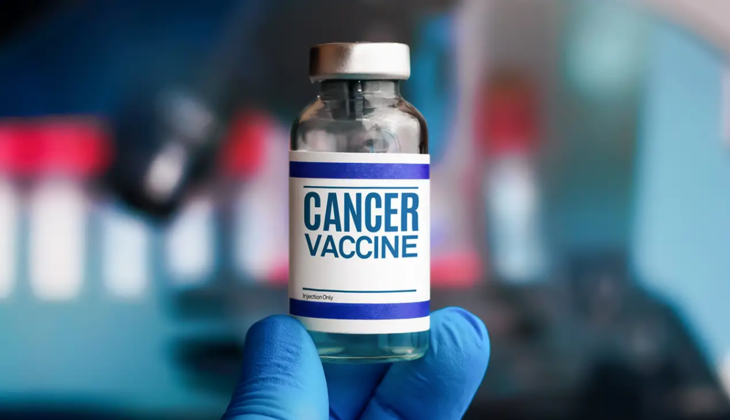
A new cancer vaccine from Russia has been making headlines, promising free distribution and significant advances in the treatment of cancer. It is scheduled to be launched in early 2025, and it is going to change the way certain cancers are treated. Here is everything you need to know about its effectiveness, cost, and mechanism.
Launch Timeline and Trials
The vaccine has completed the preclinical trials and is currently undergoing clinical testing. It is going to be available in the market after undergoing regulatory reviews and quality checks, which would be by early 2025.
Cost of Vaccine
According to Andrey Kaprin, head of Russia's Radiology Medical Research Center, it is estimated that a single dose of the vaccine would cost approximately 300,000 rubles, which is almost ₹2.46 lakh in Indian currency. Although the global market price may be higher, Russia has announced that its citizens will receive the vaccine for free.
JUST IN: 🇷🇺 Russia says it has developed a vaccine against cancer that will be rolled out to patients for free. pic.twitter.com/5ASOm4WyvA
— BRICS News (@BRICSinfo) December 17, 2024
How the Vaccine Works
The cancer vaccine is based on mRNA technology, similar to the vaccines used against COVID-19. The mRNA in the vaccine encodes proteins that stimulate the immune system to recognize and fight cancer cells very effectively. This approach attacks cancer at its genetic and molecular level, boosting the body's defense system.
Effectiveness Against Cancer
This vaccine is most efficient in the initial stages of cancer, thus possibly eradicating first-stage cancer. For a more advanced stage of cancer, it may help stop the progression if used as an adjunct with chemotherapy and radiation.
Cancer Treated
In the pre-clinical studies, the vaccine has proven effective for the treatment of breast cancers, lung cancers, and colon cancers. The investigators are hopeful that the same vaccine can be modified in the future to treat almost all types of cancers.