
Iran Fires Missiles at Commercial Ships in the Strait of Hormuz, Raising Fears of a Wider Regional Crisis
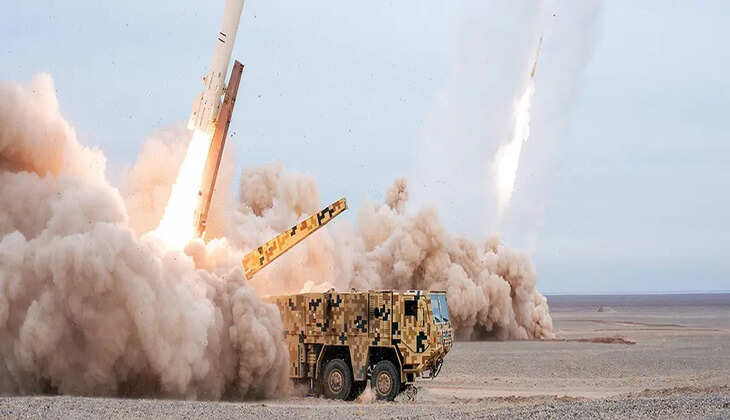
The fragile calm in the Middle East has been shaken once again after Iran reportedly launched missiles at commercial vessels passing through the Strait of Hormuz, one of the world's busiest and most strategically important shipping routes. The attack has heightened fears that the conflict could move beyond military targets and begin threatening global trade and energy supplies.
According to U.S. officials, at least two commercial ships were struck during the incident. One vessel reportedly caught fire after being hit near the coast of Oman, although no casualties have been reported so far. Maritime authorities are continuing to assess the extent of the damage as investigations remain underway.
A Waterway the World Cannot Ignore
The Strait of Hormuz is far more than a narrow stretch of sea. Nearly a fifth of the world's oil and a significant share of liquefied natural gas exports pass through this route every day. Any disruption here immediately sends shockwaves through global energy markets, shipping companies and governments that depend on Gulf exports.
An attack on commercial vessels is therefore not just a regional security issue. It has the potential to affect fuel prices, insurance costs and international trade far beyond the Middle East.
A Dangerous Escalation
The reported missile strike marks another escalation in an already volatile region. Until now, tensions had largely centred on military installations and strategic assets. Targeting commercial shipping raises concerns that civilian maritime traffic may increasingly become part of the conflict.
Security agencies are monitoring the situation closely, while naval forces operating in the Gulf have stepped up surveillance to ensure the safe passage of merchant vessels.
Global Markets on Alert
Financial markets reacted cautiously as news of the attack emerged. Investors are watching developments in the Strait of Hormuz closely because even temporary disruptions can influence global oil prices and shipping costs.
Energy-importing nations, including India, are particularly sensitive to instability in the Gulf, given their dependence on crude oil transported through the region.
What Happens Next?
The latest incident is likely to increase diplomatic pressure on all sides to prevent further escalation. At the same time, it could prompt a stronger military presence around the Strait to safeguard commercial shipping.
With tensions already running high across the Middle East, the attack serves as a reminder that any conflict involving the Strait of Hormuz carries consequences well beyond the region. What happens in these narrow waters can quickly ripple across global energy markets, international trade and geopolitical stability.