
Smogged In: Multan's AQI Reaches 2,000, as Multan and Lahore Launch Severe Lockdowns in Pollution Chaos Battle
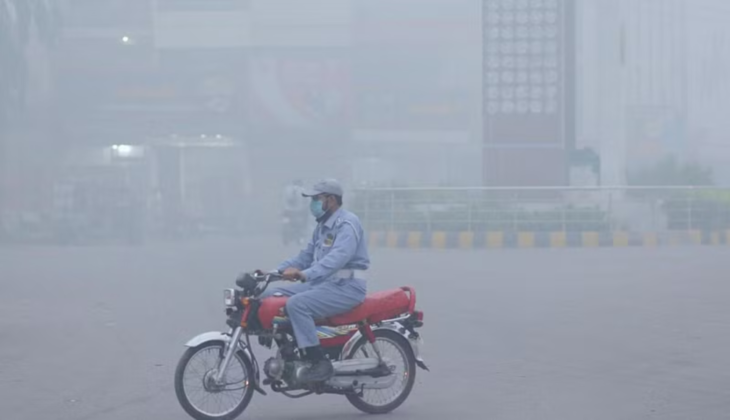
A significant Pakistani metropolis in the country's Punjab province had never before faced such an environmental catastrophe - the Air Quality Index in the city of Multan soared to over 2,000 on Friday - a level that signifies an extremely dangerous degree of air pollution. This has risen to a pretty sharp level that the provincial government had to implement a series of emergency measures, which include smart lockdowns in certain areas and closed public parks and museums. It has started a smog crisis and highlighted the country's growing struggle with pollution problems, particularly in Punjab, which has become a hotspot for serious air quality issues.
Reports from Dawn said AQI peaked at 2,135 on Friday morning in Multan while PM2.5 reached 947 micrograms per cubic meter, nearly 190 times the World Health Organization's safe limits. Although it had dropped to 980 by evening, it was still over three times the hazardous threshold of 300. Bahawalpur, Muzaffargarh, and Khanewal in Punjab also witnessed dangerous AQI levels that increased health hazards from smog.
Local administrations took immediate measures to counter pollution. The Punjab government issued a high alert advising the public to take precautions and avoid exposure to the polluted air. All parks, zoos, monuments, and museums were shut down until November 17, and several areas had a complete ban on the gathering of people. Traffic restrictions were issued, police intensified crackdowns on the vehicles emitting excessive smoke, and lastly, markets were ordered to close by 8 p.m. Cut down on outdoor activities and take strict action against the increasing number of illegal stubble burning, waste fires, and brick kiln smoke.
The pollution crisis has also put alarm about the health issues of the residents and the broader issues that Pakistan faces in environmental management. Local reports show that most citizens ignored the restrictions, and children were still playing outside while their schools were closed. Many people, particularly children and the elderly, complained of sore throats and respiratory discomfort.
Meanwhile, the city of Lahore in the Punjab province saw an AQI over 1,000, which made it the world's most polluted city at the time. The authorities here too issued high-level interventions with bans to visit public parks and recreational zones. In addition, the top center officials in the government of Punjab, such as Marriyum Aurangzeb announced stiffer compliance towards environmental regulation. This included punitive actions against violators of pollution control guidelines and stricter vigilance in the transport of goods.
There are various root causes of this pollution crisis. Vehicular emissions, industrial pollution, burning stubble, and adverse weather have already let the air quality become hazardous. Sources claim that as per confirmation by EPCCD, all these factors, along with poor weather conditions, have made the smog worse in this region.
The gradual unveiling of the pollution crisis impacts the residents of Punjab, as well as the larger Pakistani nation. In addition to steps to decrease levels of pollution and safeguard citizens from those effects, decisive long-term steps would necessitate systemic governance changes in the environment, stronger industrial controls, and an increasing public consciousness of the risk associated with pollution.