
Is Delhi Back to Track? Schools Resume Physical Classes in Delhi - Read What SC Said...
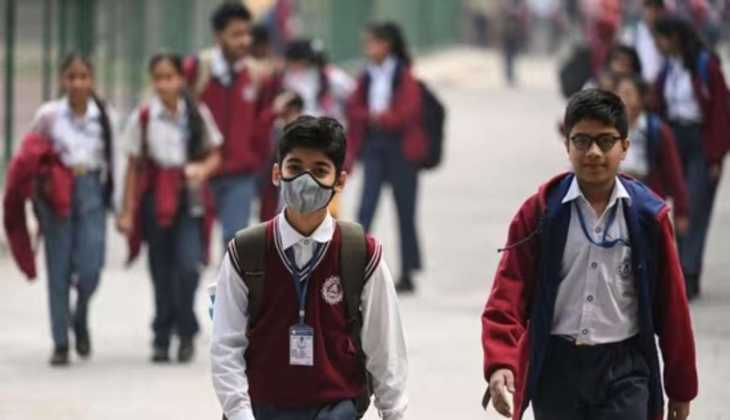
After a significant step, Directorate of Education of Delhi directs all government as well as private schools functioning in national capital to open their class rooms. This decision comes after the Supreme Court of India relaxed restrictions under the Graded Response Action Plan (GRAP), reducing it from Stage 4 to Stage 2. But with improving air quality and the lifting of restrictions, is it the right time for schools to resume in-person classes?
The Supreme Court’s decision to relax GRAP measures follows improvements in Delhi’s air quality, with the Air Quality Index (AQI) recorded at 161, placing it in the ‘moderate’ category. For context, an AQI between 101 and 200 is considered moderate, indicating that the air quality is not ideal but manageable. However, it’s still far from the 'good' or 'satisfactory' levels that would be preferable for children to be out in the open for extended periods.
Many of the restrictions on vehicles have been relaxed under the revised GRAP Stage 2 measures, such as permitting more commercial vehicles and easing the limits on diesel-run vehicles. However, this does not lift the ban on coal and firewood, especially in restaurants and eateries. Even so, relief apart, is it right to reopen schools when pollution levels can still be a cause for concern?
The first school closures in Delhi started on November 17 when the AQI reached severe levels, forcing classes to go online. The government had resorted to online classes for most students, except for Class 10 and 12, until the air quality improved. Now, with the resumption of classes, there are mixed opinions on whether this is too early. These health professionals and many parents still express concerns over the health risks linked with poorer air quality exposure, especially in younger children.
The Supreme Court directed the Commission for Air Quality Management (CAQM) to continue monitoring AQI levels and enforce stricter measures if the AQI breaches 350 or 400. Through this, the Court would ensure that rapid changes in air quality would immediately trigger actions like reverting back to online classes or implementing Stage 3 and Stage 4 restrictions.
Also read: Akhilesh Yadav Hits Back at CM Yogi over DNA Remark: DNA Test for Both of Them Required Now